
Thermomechanical simulation of your laser processes: compliant parts right first time
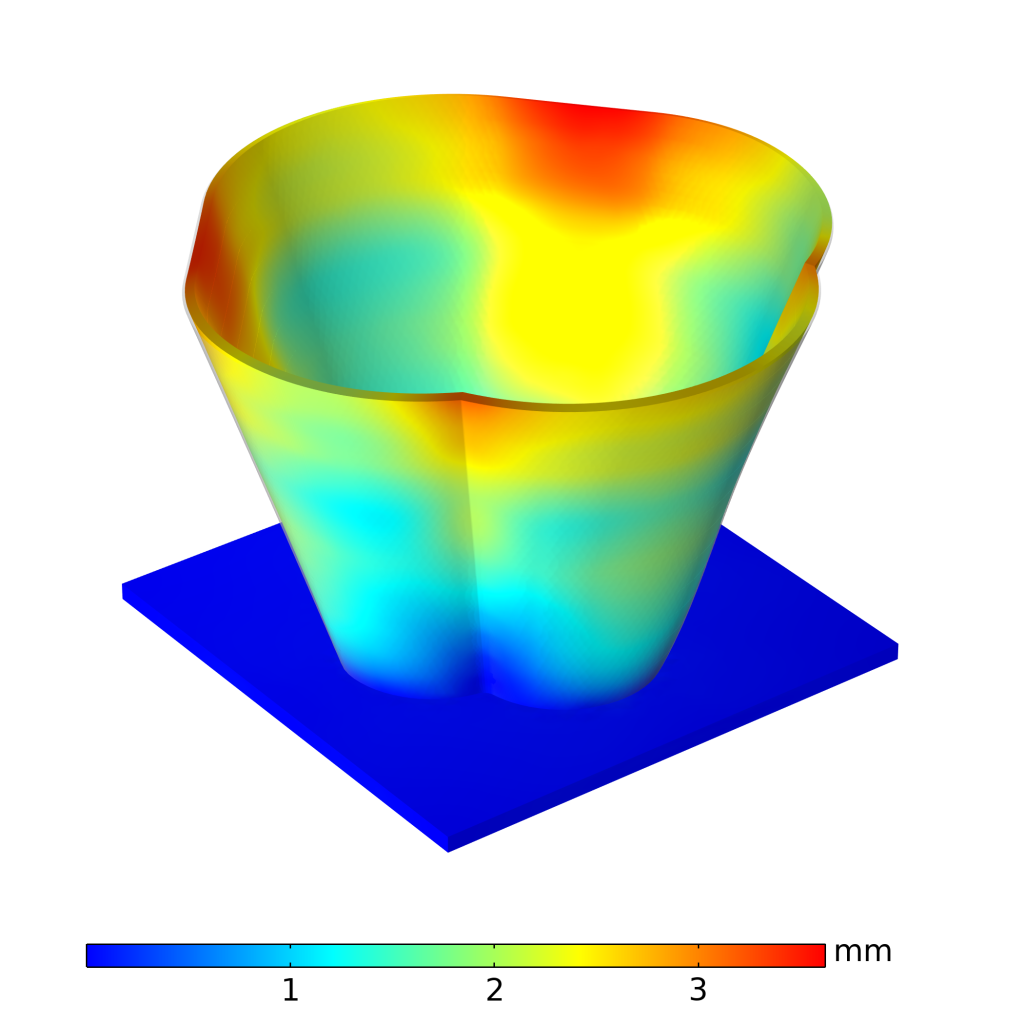
Distortion, residual stresses, sub-optimal toolpaths: anticipate all these risks through simulation before starting production. IREPA LASER has developed DED simulation methods in COMSOL Multiphysics.
The problem simulation solves for DED additive manufacturing
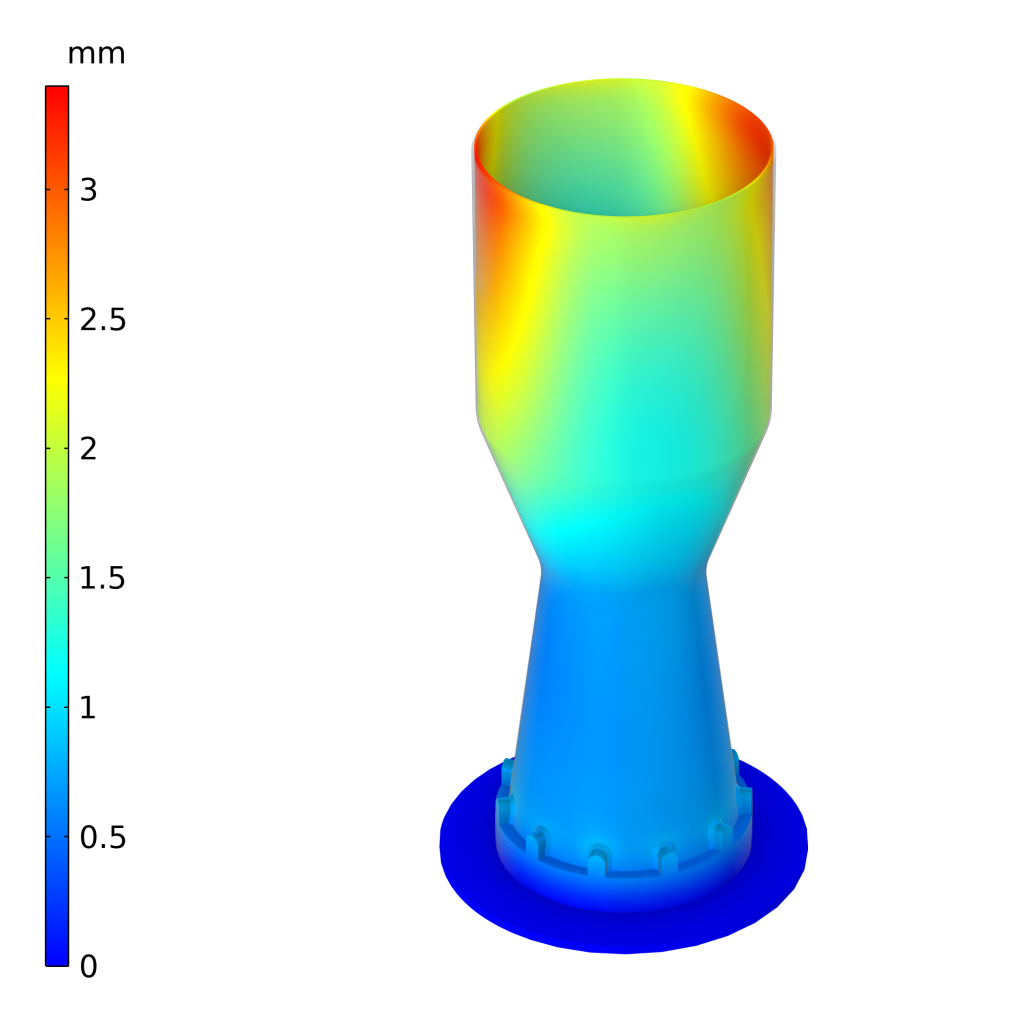
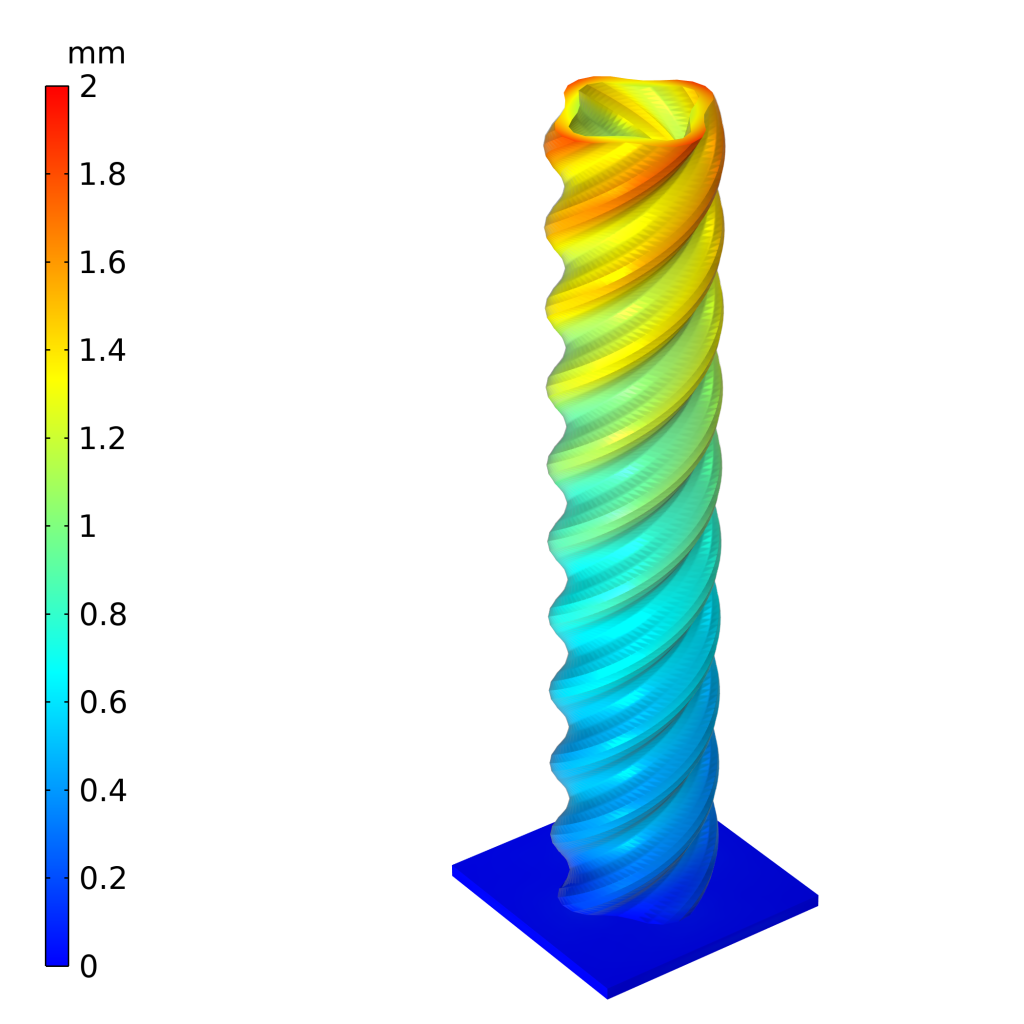
In DED additive manufacturing, every part is the result of a succession of material deposits that generate complex thermal cycles. These cycles create temperature gradients, residual stresses and distortion that can take the part out of its geometric tolerances, even if the process seemed well set up.
The traditional method for identifying and correcting these problems is physical iteration: build, measure, adjust, repeat. On costly parts in high-value alloys (titanium, Inconel), a single iteration can cost several thousand euros and take several weeks.
Thermomechanical simulation of the DED process allows these iterations to be carried out virtually, on a computer, before any physical manufacturing.
IREPA LASER has developed advanced DED simulation models in COMSOL Multiphysics.
The problem simulation solves in laser welding
Thermomechanical simulation of laser welding: control temperatures and distortion before manufacturing
The problem simulation solves
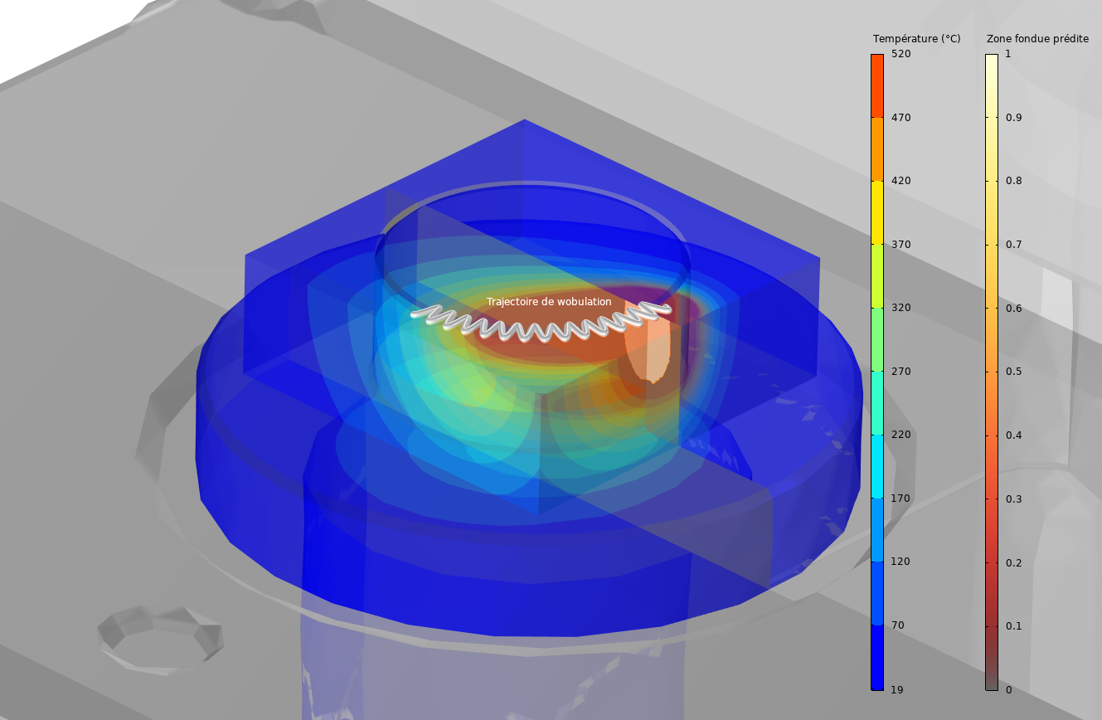
During a laser welding operation, energy is concentrated on a very localised zone, causing rapid heating and cooling cycles. These phenomena generate steep temperature gradients that can lead to distortion, residual stresses or changes in material properties. For demanding applications, particularly in the Defence sector, controlling the temperature field during welding is a key issue.
Thermomechanical simulation virtually reproduces the process and visualises how temperatures in the part evolve over time. It also makes it possible to anticipate the distortion and stresses generated by the welding operation.
Several strategies can thus be compared before the first trials: bead sequence and path, laser power, welding speed, dwell times, clamping or cooling conditions. Simulation helps select a suitable welding strategy, limit physical trials and reduce the risk of non-conformity.
The problem simulation solves in laser machining
Thermomechanical simulation of laser machining: increase productivity while controlling heat build-up
The problem simulation solves
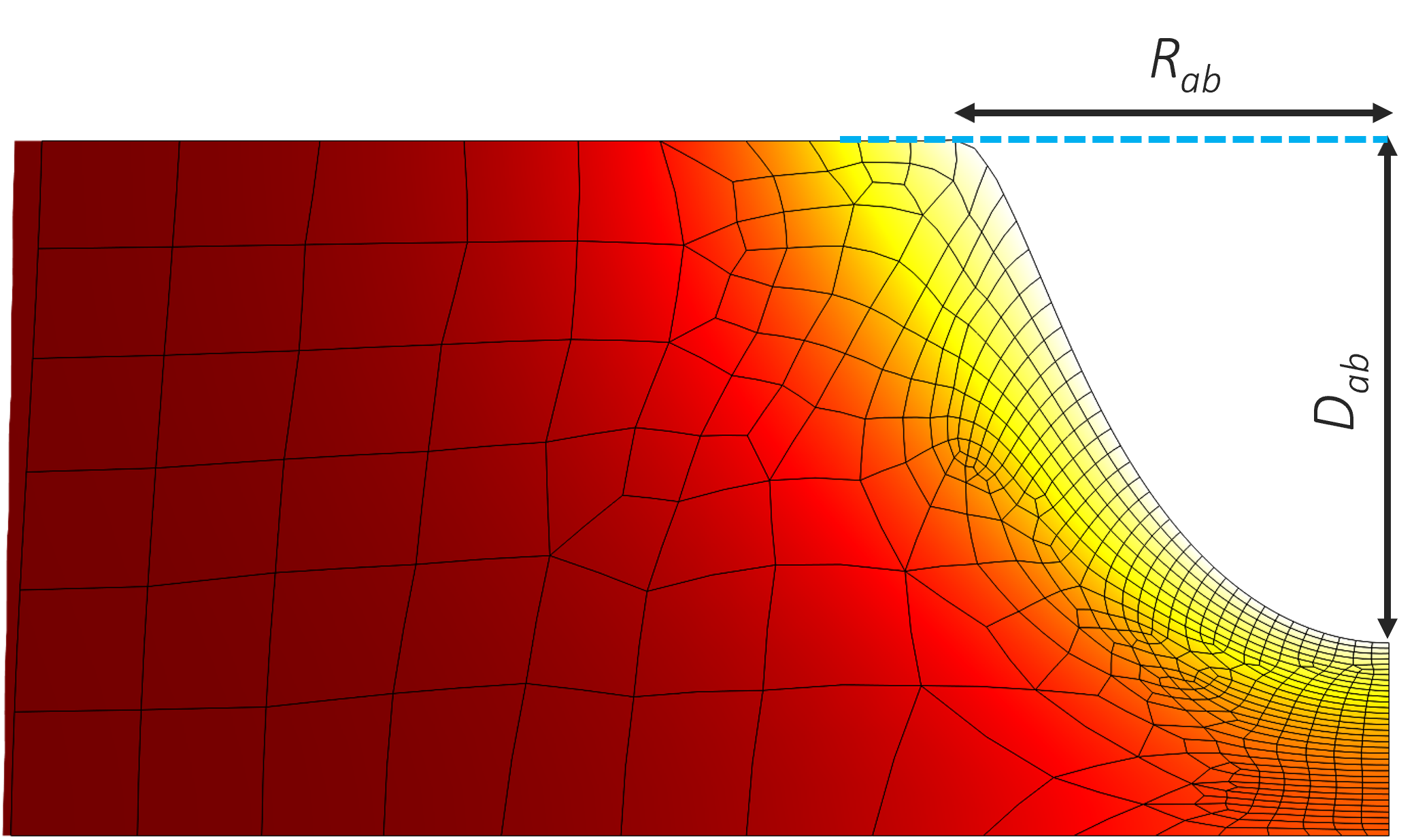
In laser machining, each pulse delivers a highly localised amount of energy to the material surface. When pulses repeat rapidly or paths overlap, heat can accumulate in the part. Excessive heating can then impair machining accuracy, enlarge the heat-affected zone or degrade surface quality.
Thermal simulation visualises how temperature evolves and diffuses during the process. It helps to understand the influence of parameters such as pulse energy, pulse frequency, travel speed, path overlap and dwell times.
Different scanning strategies can thus be evaluated virtually in order to increase machining throughput while keeping temperature under control. Simulation helps find the best compromise between productivity, precision and quality, while reducing the number of trials needed to develop the process.
The sectors we support
Our simulation tools support the development of your laser processes, in DED additive manufacturing, welding and machining, in industries where process performance is non-negotiable: critical materials, certification requirements, repeatability constraints.




Our DED simulation support
We offer two support options depending on your level of autonomy and your in-house resources.
Service mode
You entrust us with the simulation of your part. Our experts carry out the thermomechanical simulation in COMSOL Multiphysics, identify the risks and provide you with a report containing recommendations for optimising the manufacturing strategy.
Transfer mode
We help you set up the simulation tools in your environment and train your teams to use them. You become self-sufficient in simulating your own parts.
Services covered:
- Feasibility analysis and advice on your part and material
- Full thermomechanical simulation of the DED process in COMSOL Multiphysics: distortion, residual stresses, thermal cycles, interlayer cooling time
- Optimisation of toolpaths and manufacturing strategy through virtual iterations
- Physical trials to validate the models
- Development of a software application tailored to your needs
- Training your teams to use the simulation tools
FAQ
It is a tool that virtually reproduces the DED process to predict distortion, stresses and part performance before manufacture. Our models are developed in COMSOL Multiphysics.
De-risking your projects, dimensional control, fewer physical iterations, improved metallurgical quality.
DED metals and alloys, large parts or complex geometries. Contact us to validate feasibility for your specific part.