Laser welding of glass: direct, hermetic joints with no consumables
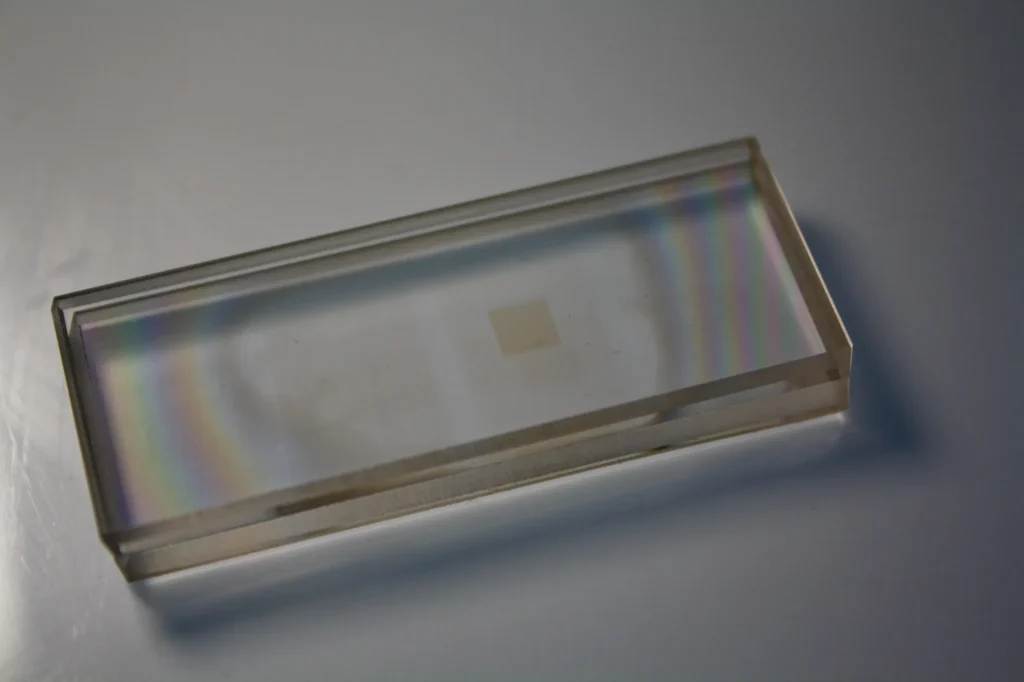
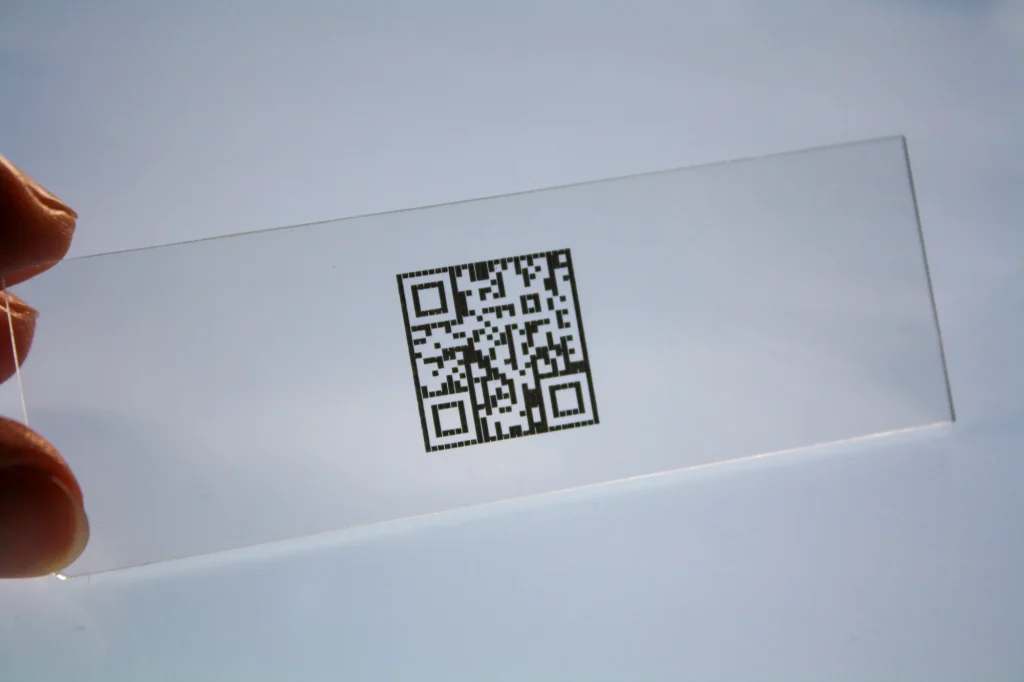
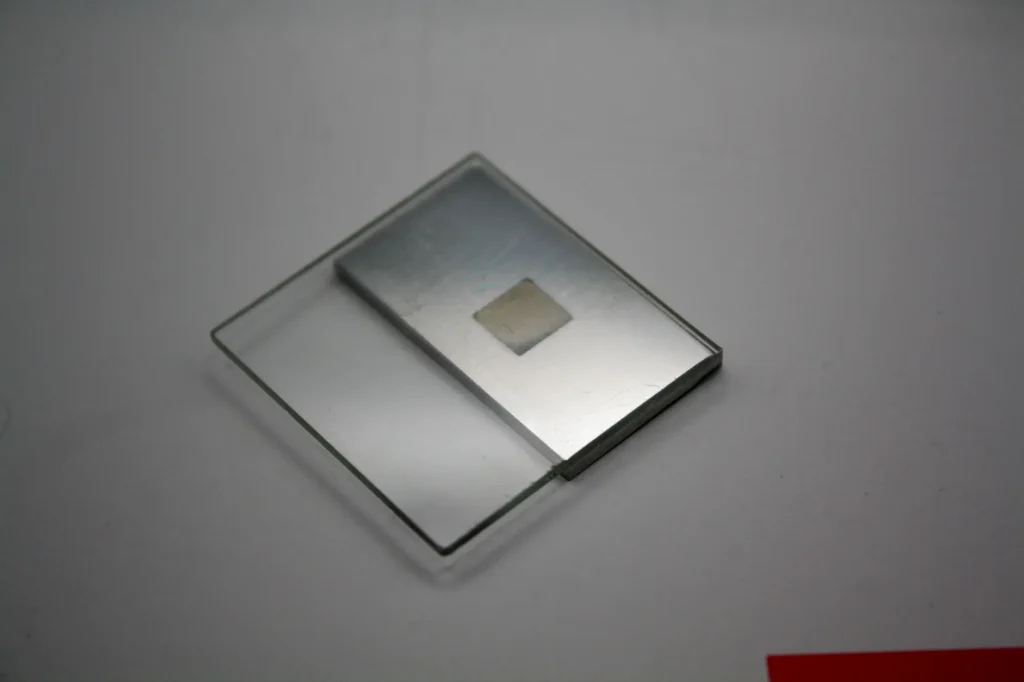
Homogeneous or heterogeneous glass-to-glass (soda-lime, soda lime borosilicate, aluminosilicate), glass-to-silicon or glass-to-metal: IREPA LASER has mastered direct laser welding of glass for the most demanding microfluidic, medical, optical and electronic applications.
Direct laser welding of glass: a precision technology
Glass is an often transparent and fragile material that is not easy to join. Adhesives age, outgas and contaminate. Fritting requires high temperatures that are incompatible with the integration of certain functions. Anodic bonding requires temperatures and voltages that limit certain applications.
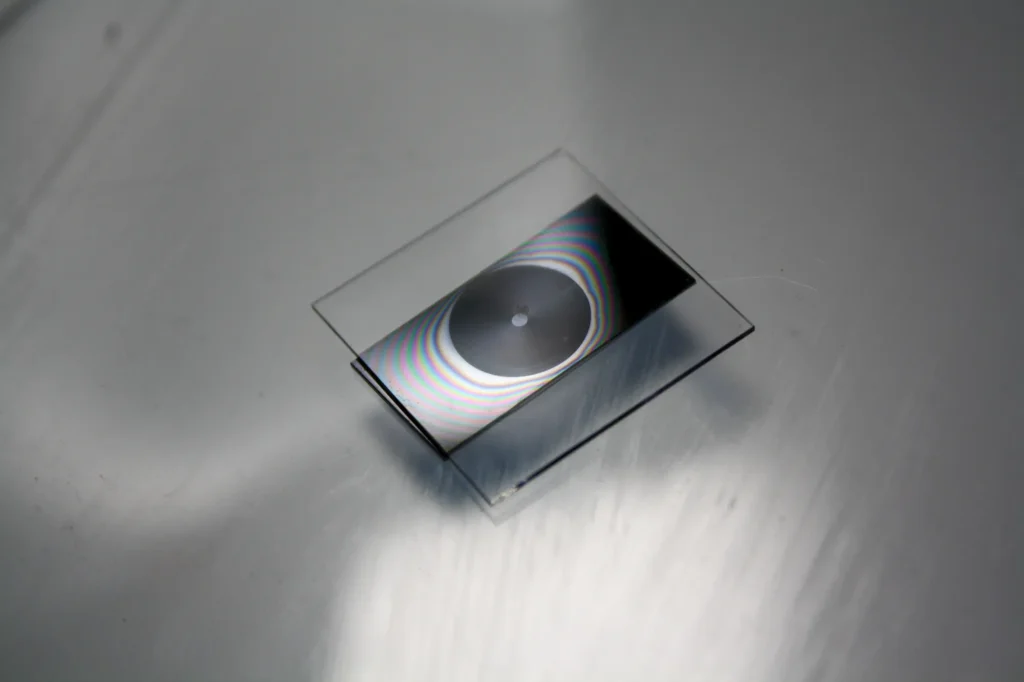
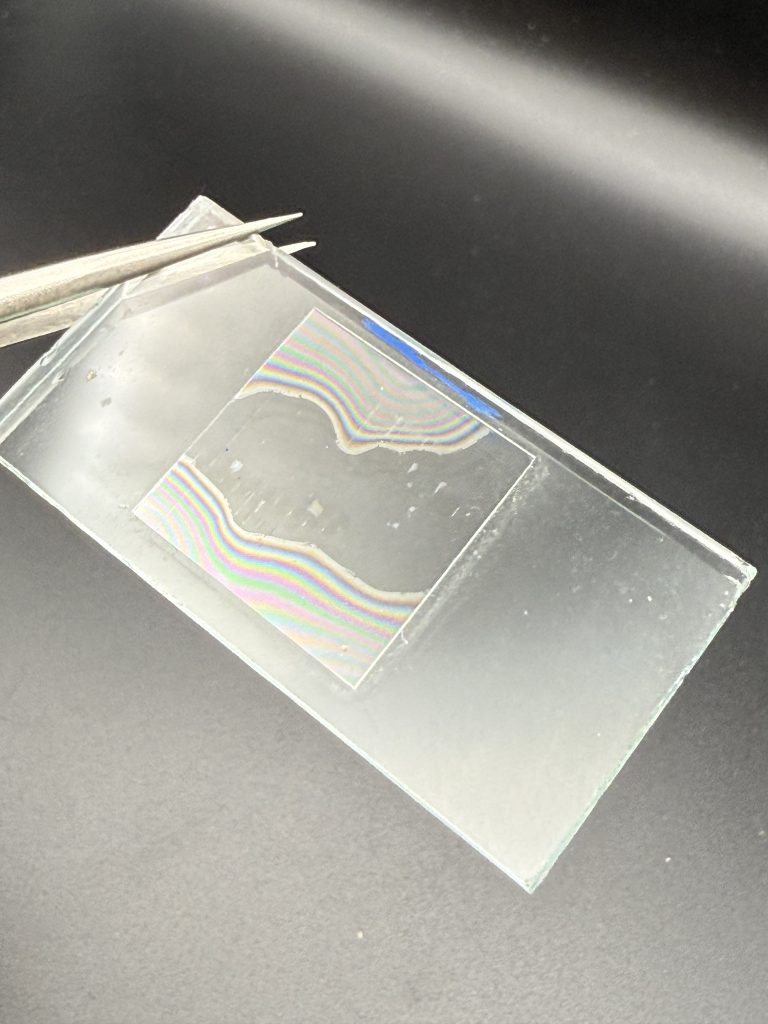
Direct laser welding of glass relies on a fundamentally different mechanism. A femtosecond or picosecond laser deposits intense energy over an ultrashort duration and in a highly localised manner at the interface between the two glass parts. The non-linear interaction between the beam and the material creates localised melting on a micrometre scale, without affecting the surrounding areas. The result is a permanent, virtually invisible, hermetic and mechanically strong molecular bond.
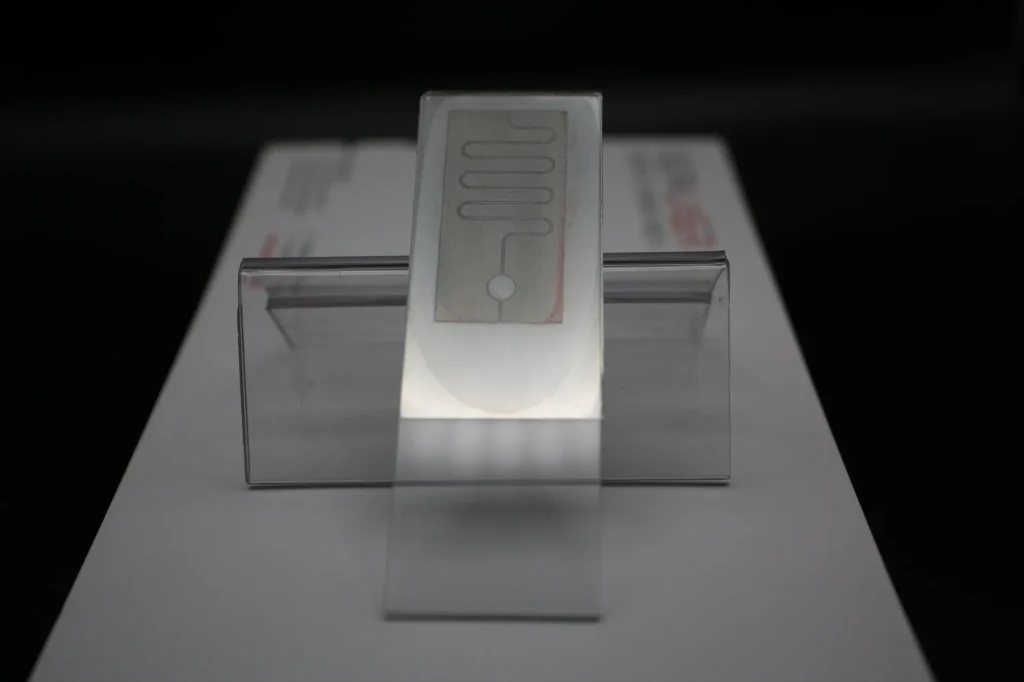
This process makes it possible to join glass structures with a precision that is often very difficult to achieve by other means, with the option of integrating features such as microchannels, sensors or circuits directly into the assembly.
IREPA LASER develops and masters these processes for industries where glass joint performance is a non-negotiable requirement.
The glass welding configurations we have mastered
Laser welding of glass is not limited to glass-to-glass joints. Our processes cover a wide range of homogeneous and heterogeneous configurations for high-tech applications.
Homogeneous glass-to-glass joints:
- Soda-lime glasses: glazing, screens, general industrial applications
- Borosilicate glasses: laboratory, optics, heat-resistant devices
- Special glasses: Gorilla Glass, Zerodur and other technical glasses
Heterogeneous joints:
- Glass-to-semiconductor (Si, SiC, etc.) for MEMS, microelectronics and advanced sensors
- Glass-to-metal: aluminium, steel, titanium, copper for combined applications
- Glass-to-ceramic: technical assemblies and composite products
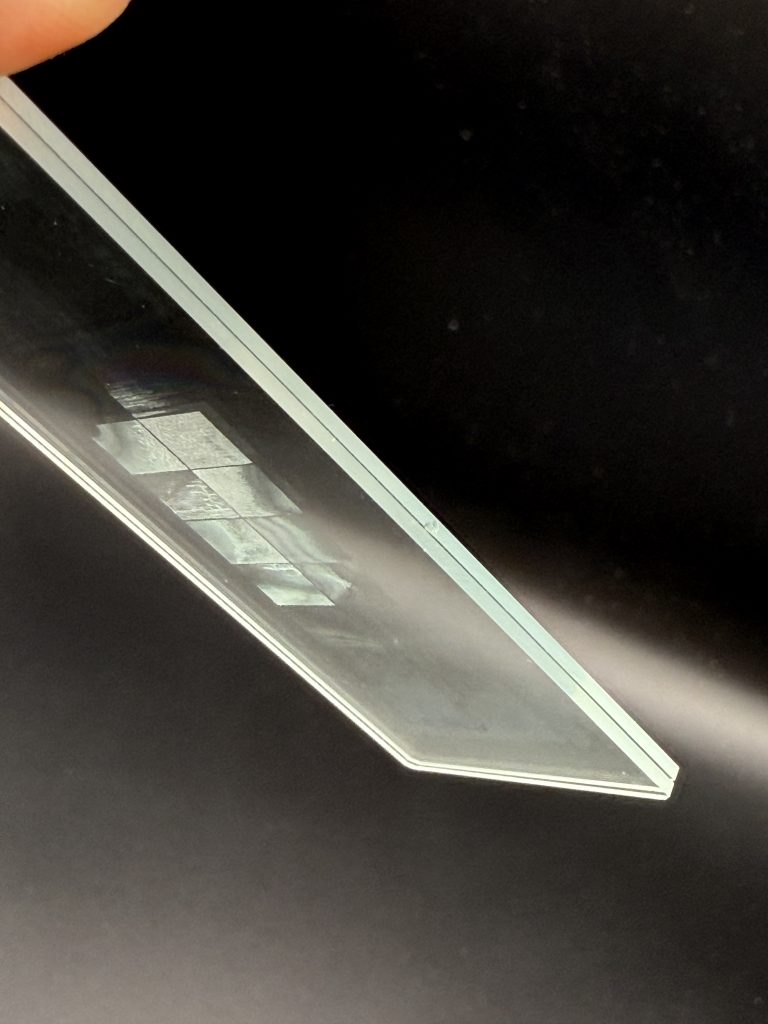
We also handle specific geometric constraints: welding of thin substrates, closed-cavity assemblies, welding around microchannels or components previously deposited in the structure.
Our achievements
Borosilicate glass microfluidic circuits, encapsulation of MEMS circuits, glass-to-metal joints for high-pressure sensors, hermetic optical devices: this is how our processes meet applications that conventional joining technologies cannot handle.