
Laser micro-cutting: complex shapes cut with micrometre precision, without contact
Thin parts, complex geometries: IREPA LASER performs your laser micro-cutting with a cut-edge quality unattainable by punching, waterjet or EDM on your most demanding applications.
Beyond conventional cutting processes
Punching distorts thin parts. Waterjet creates a wet zone and can delaminate composites. Wire EDM is slow and only works on conductive materials. Mechanical cutting generates burrs and residual stresses. On parts just a few tens of microns thick, freeform geometries, or brittle and heat-sensitive materials, these processes reach their limits.
Laser micro-cutting overcomes these limitations. The laser beam cuts the shape by following the digitally programmed contour, without contact with the part, without mechanical force and with geometric precision in the order of a micron. Cut-edge quality depends on the type of laser used.
IREPA LASER selects the laser type suited to your material, thickness and edge-quality requirements. You do not receive generic parameter settings but a process developed for your application.
The materials we cut.
Laser micro-cutting covers a wide range of materials. The laser type is selected according to the material and the required edge quality.
- Metals and alloys: steel, aluminium, titanium, nickel…
- Engineering polymers
- Ceramics and glass
- Composites (CFRP, CMC…)
We fine-tune the energy and laser parameters for each material to guarantee precision, cut quality and preservation of physico-chemical properties.
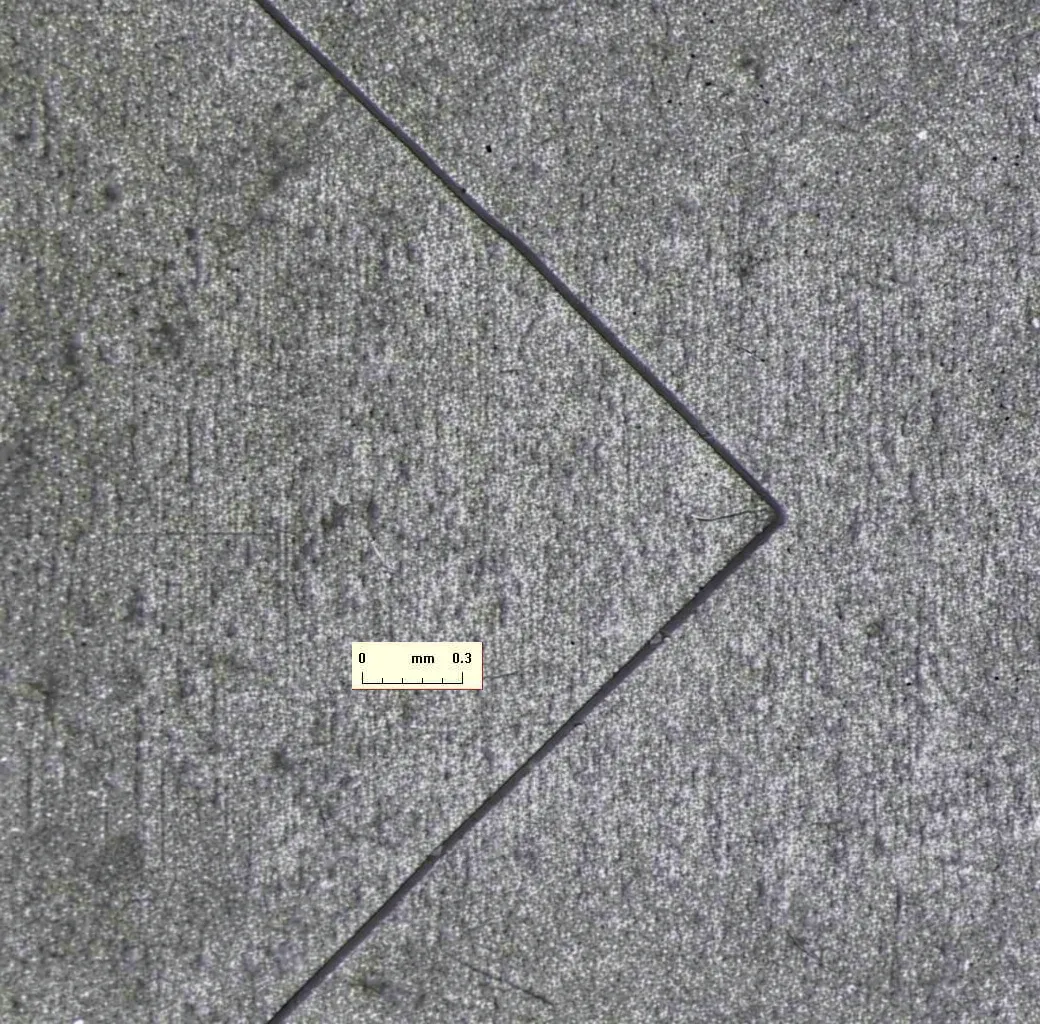
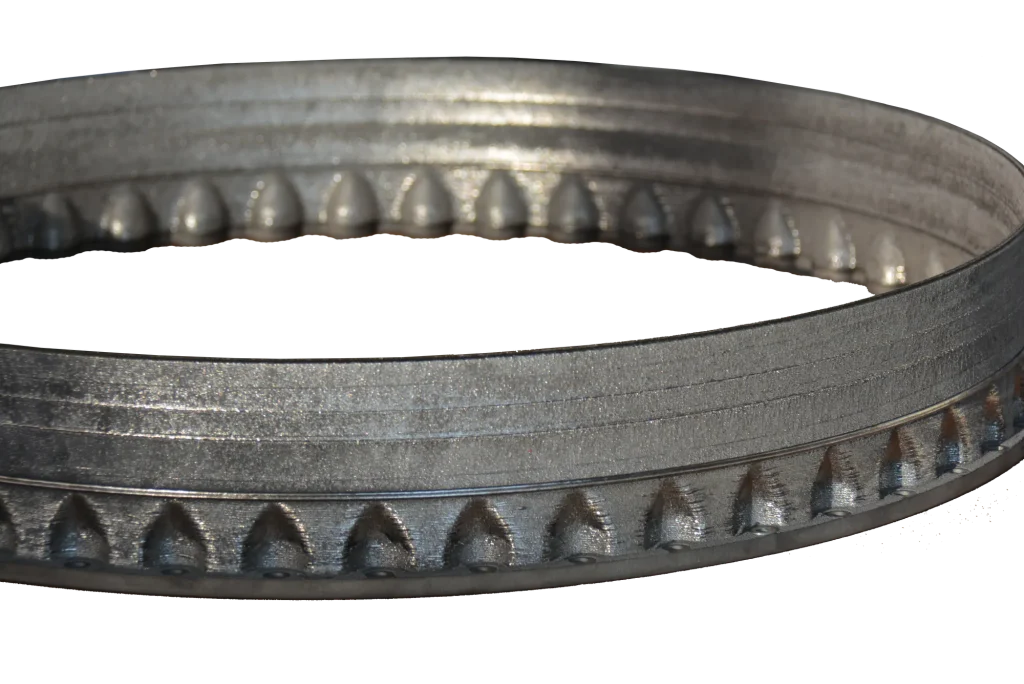
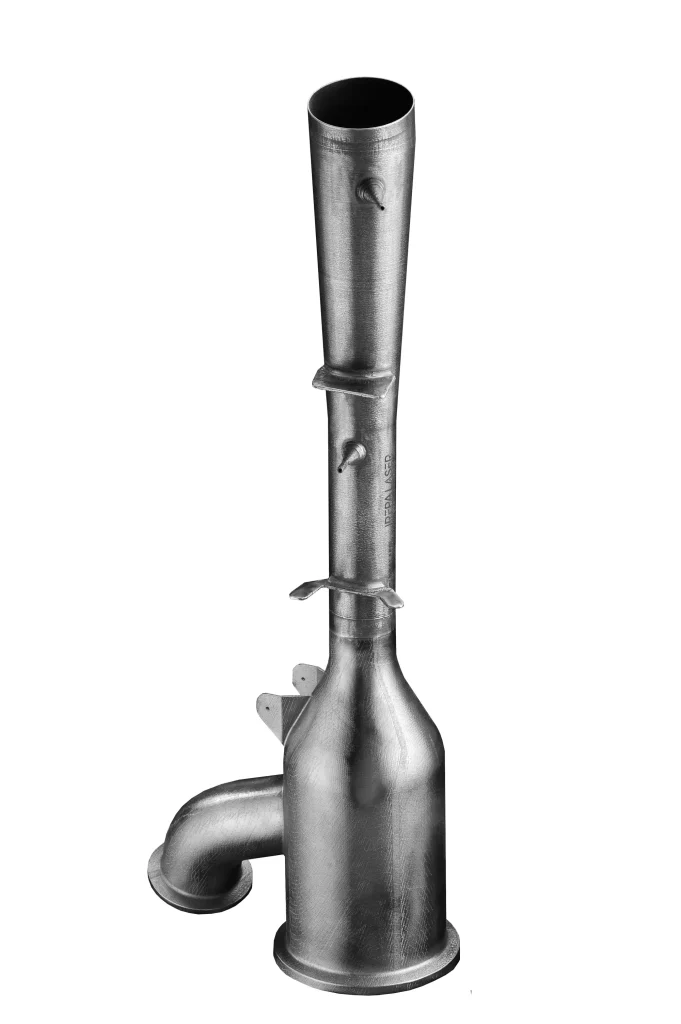
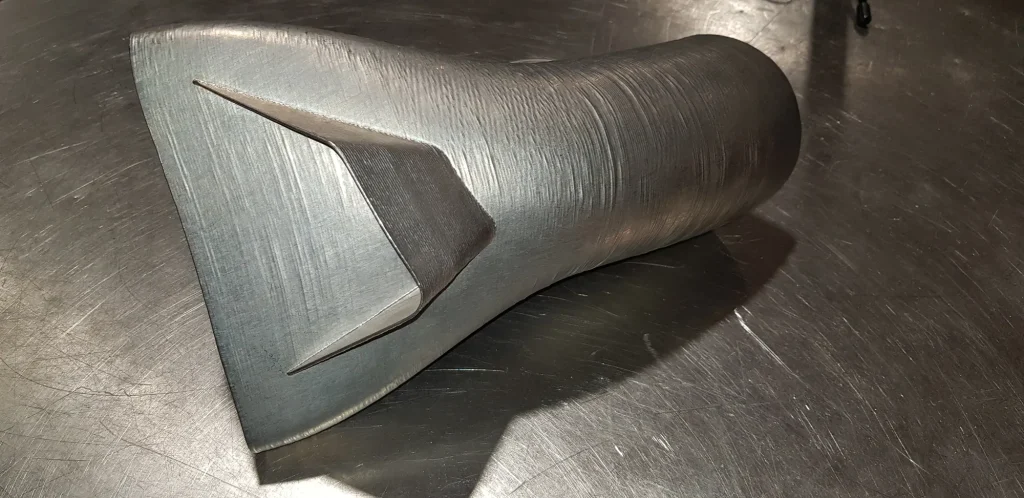
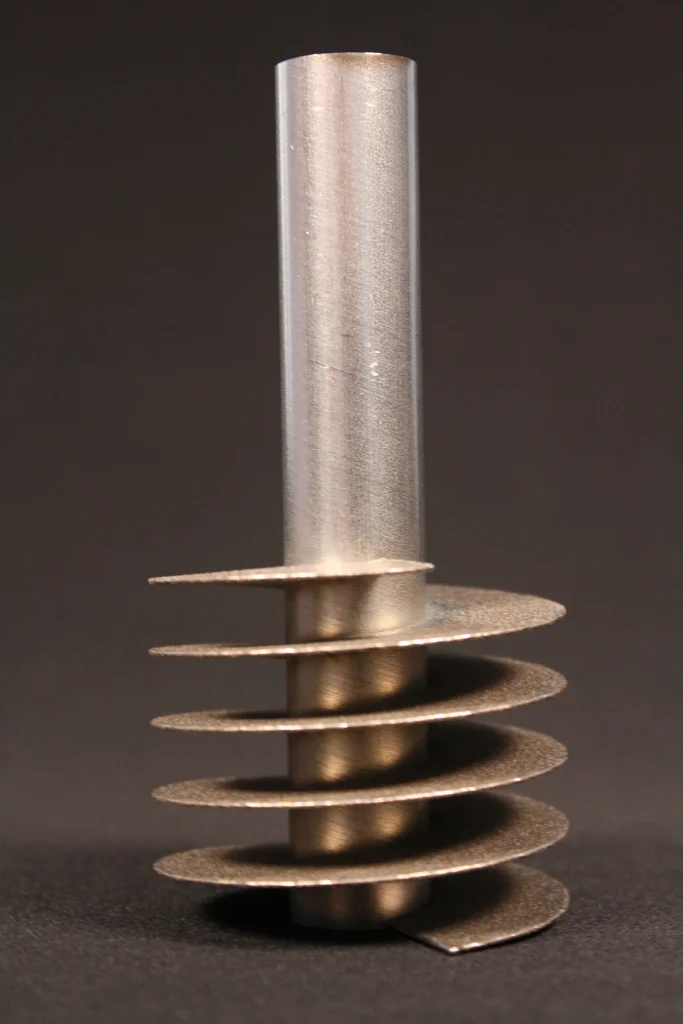
Our achievements in laser machining
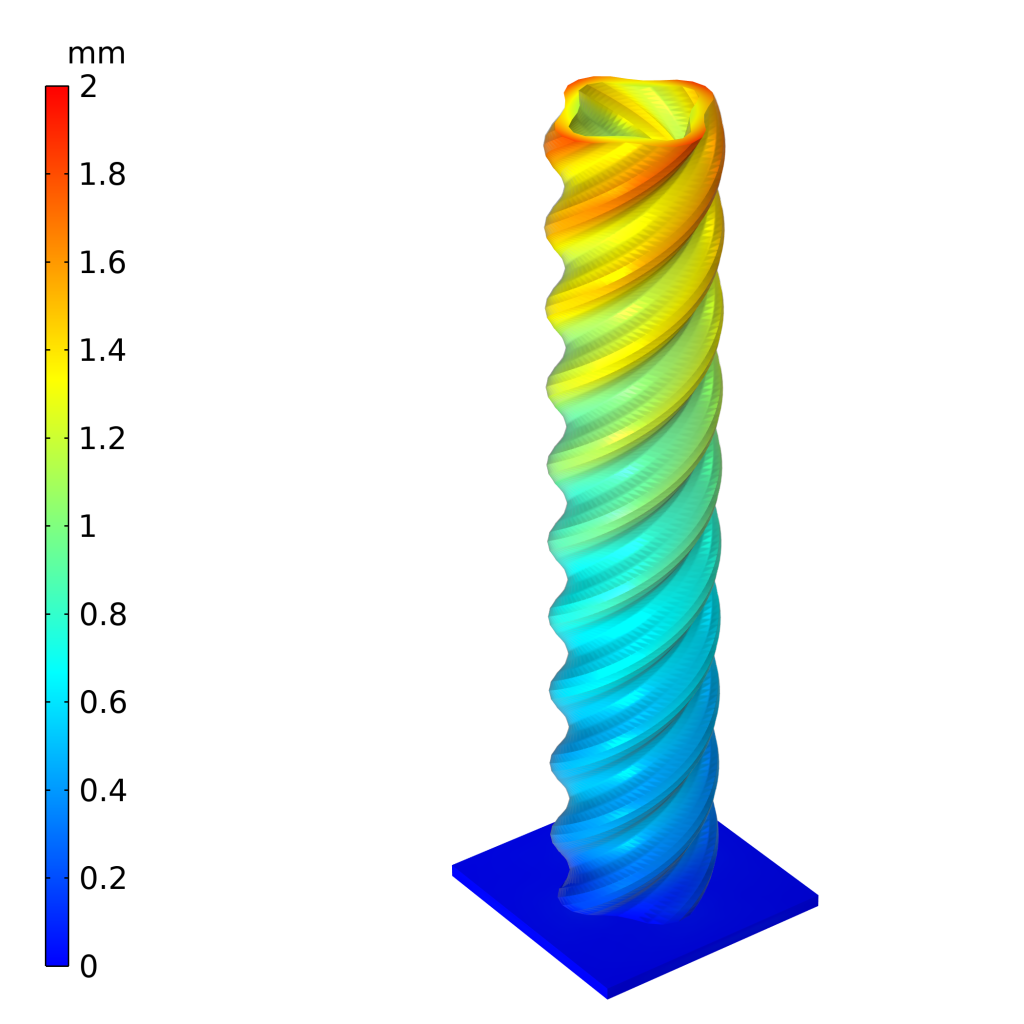
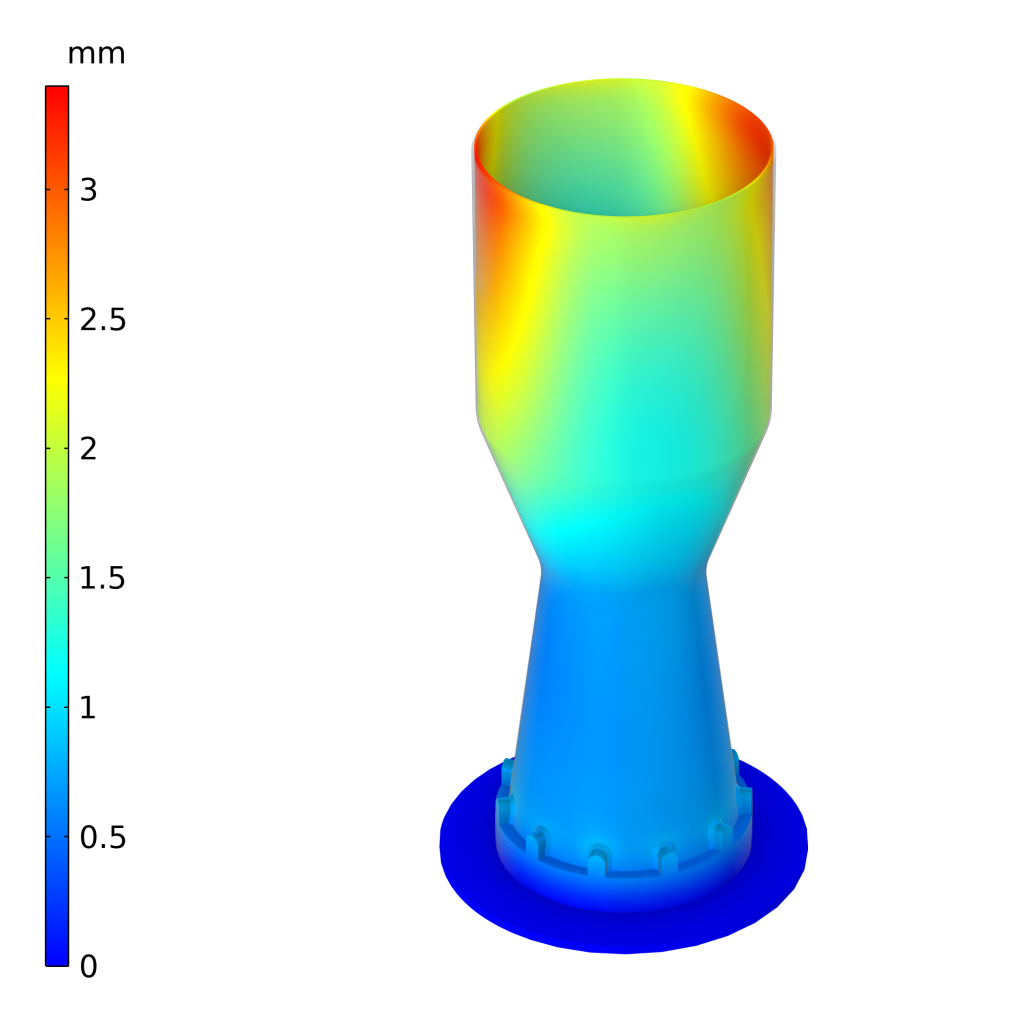
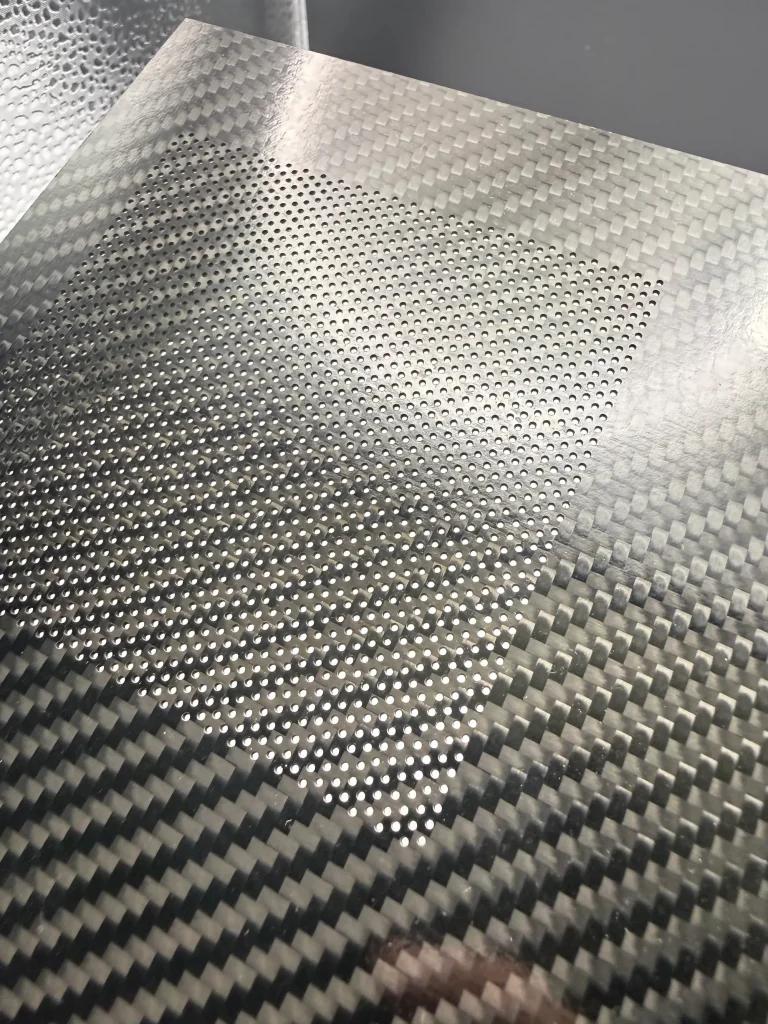
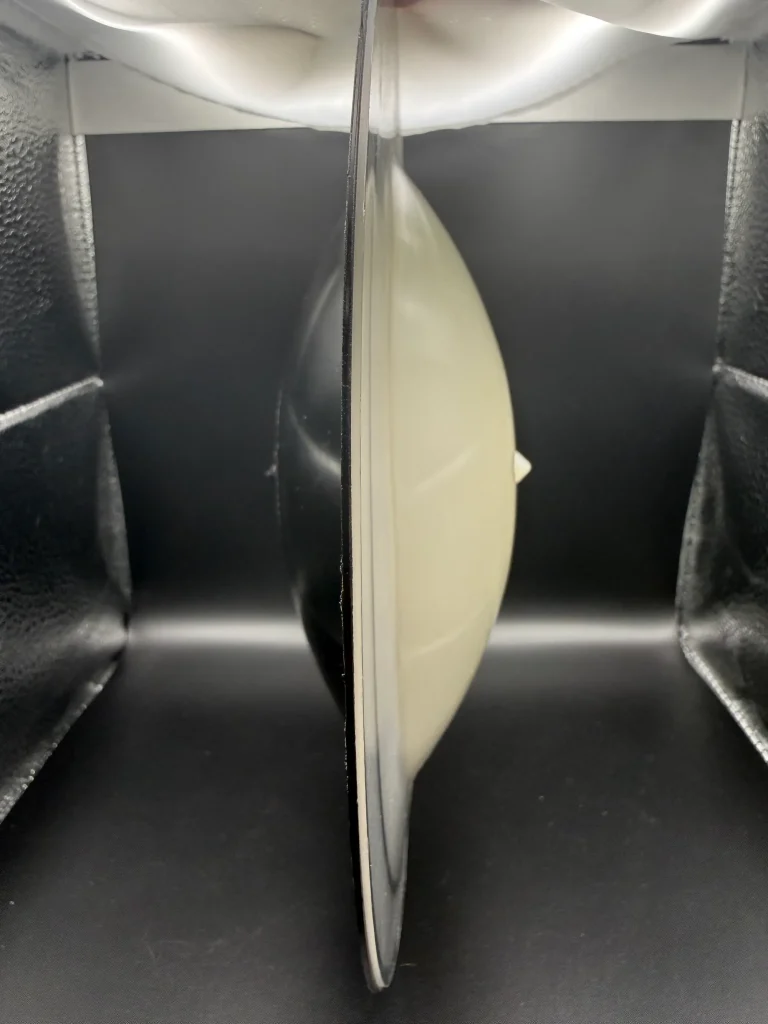
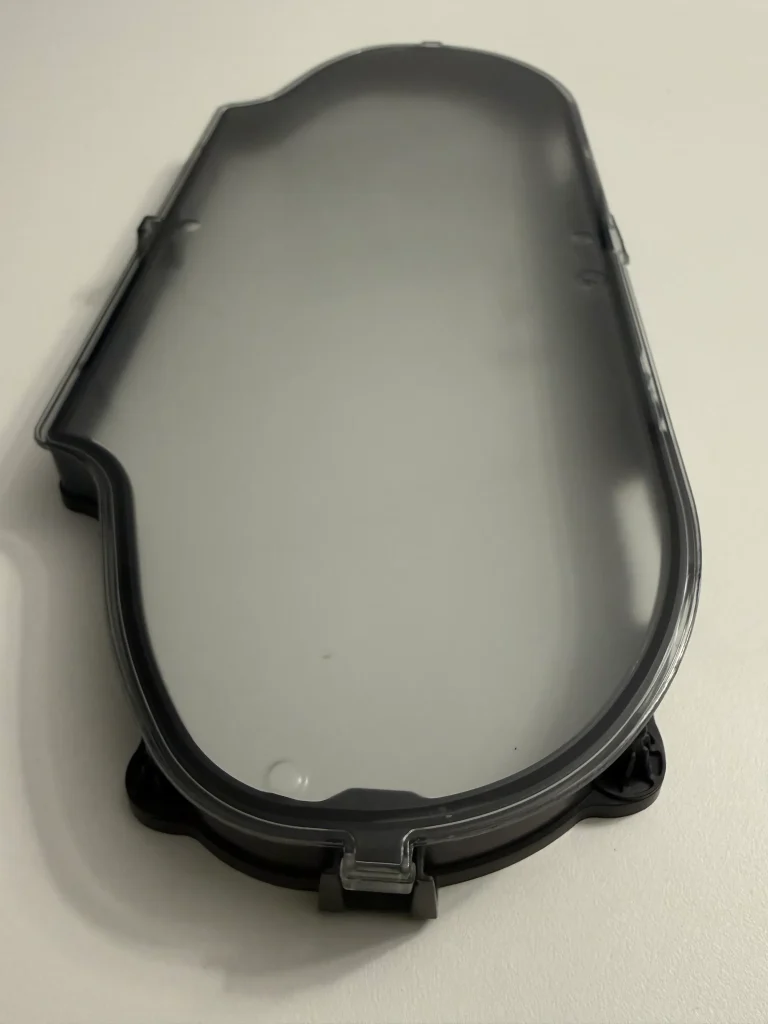
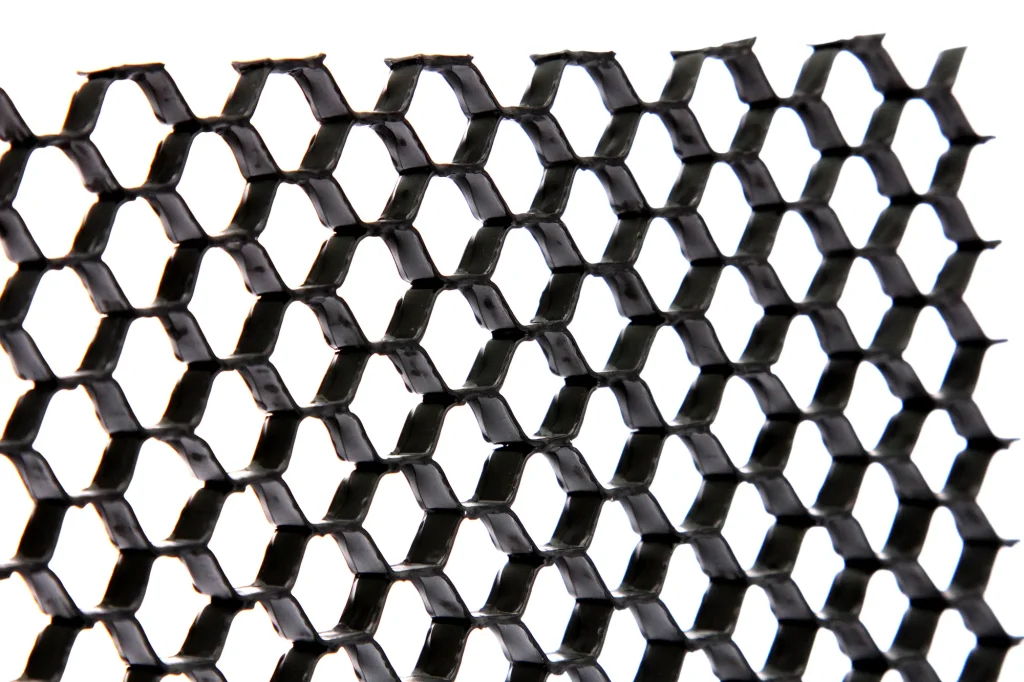
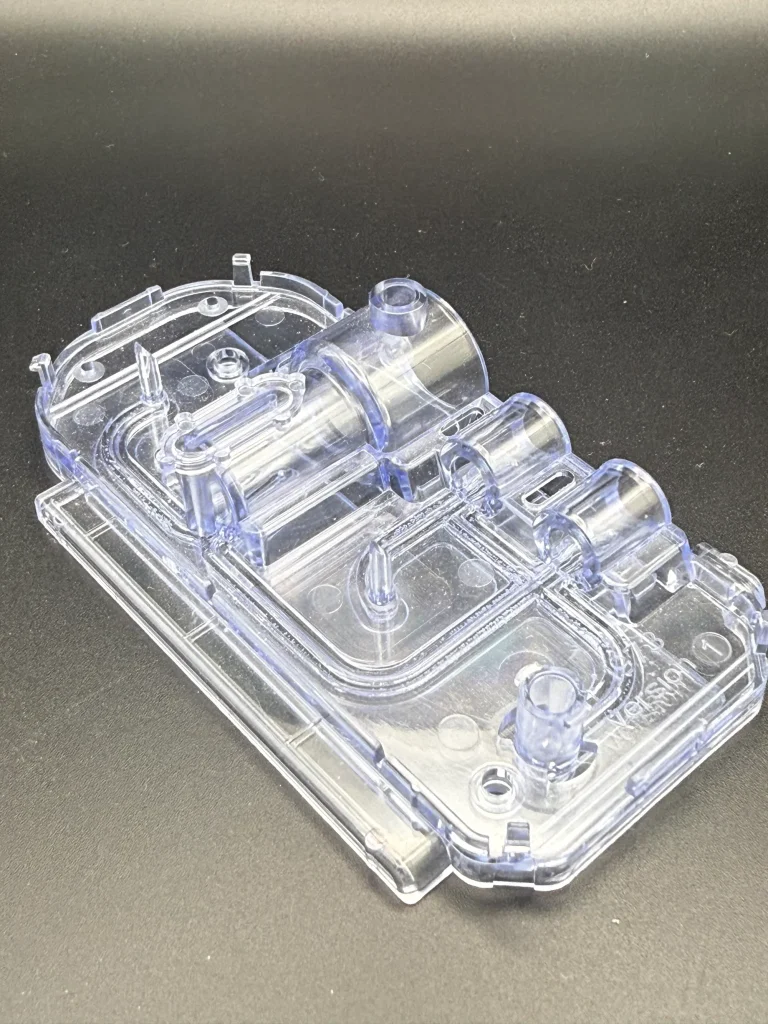
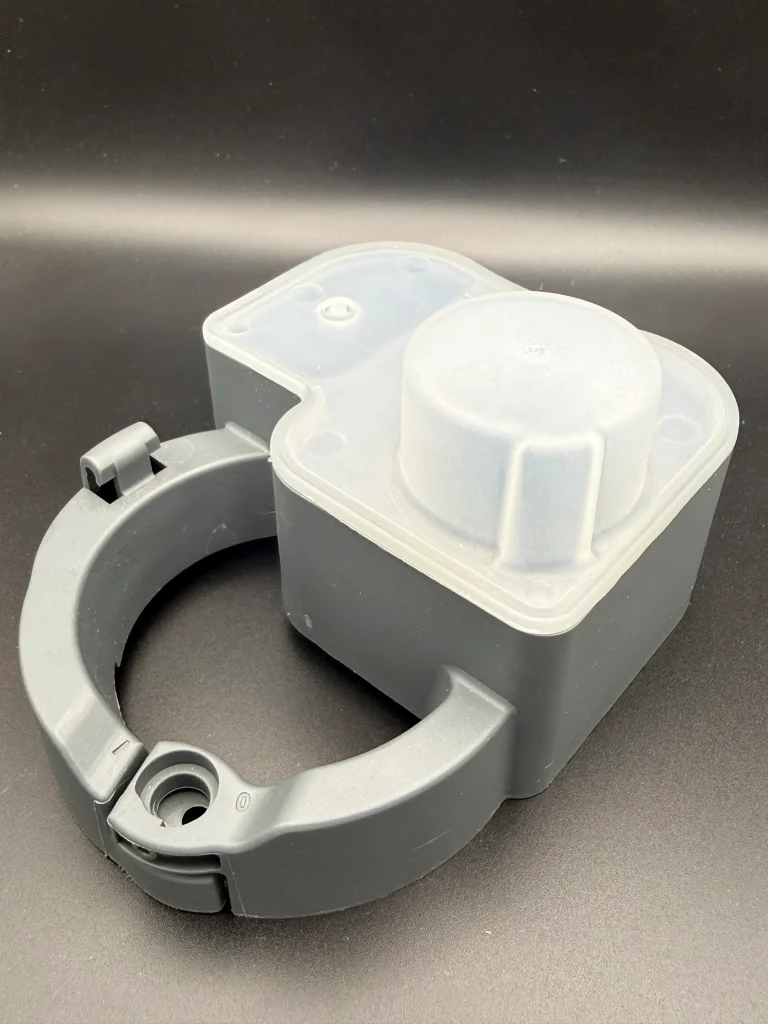
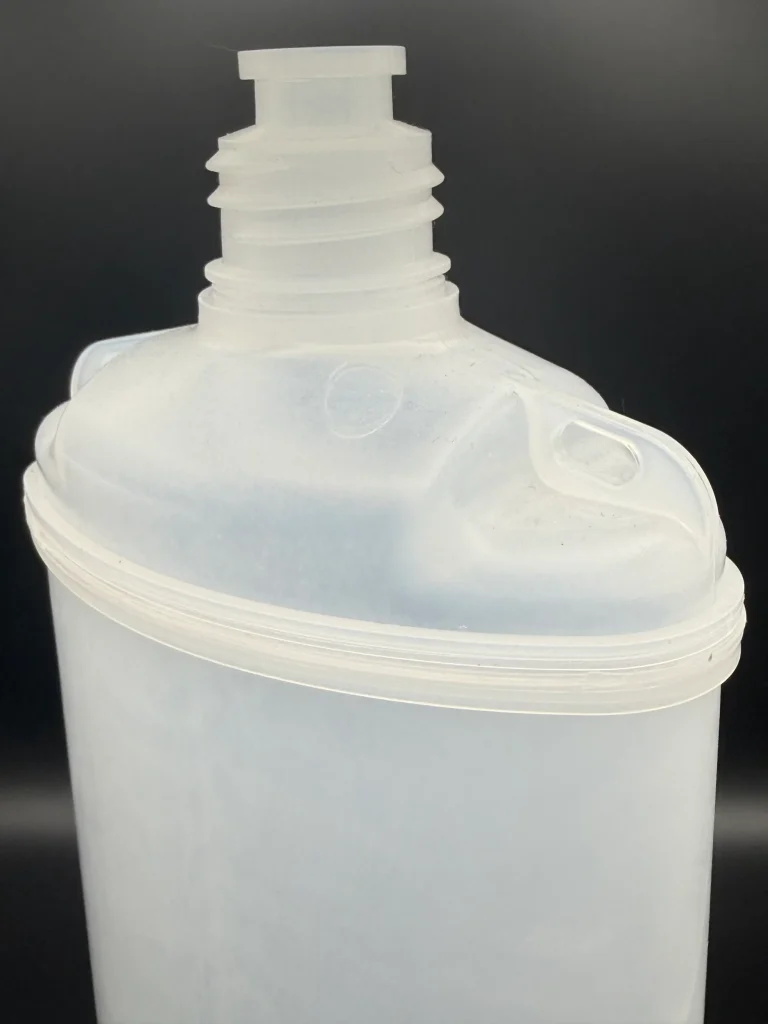
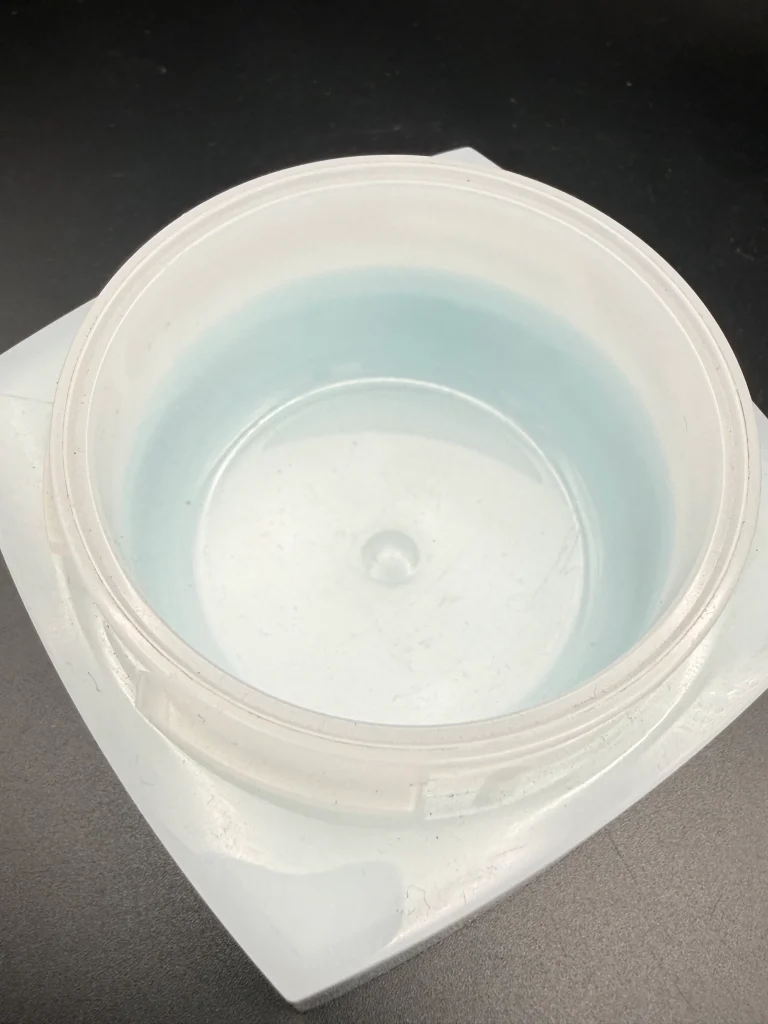
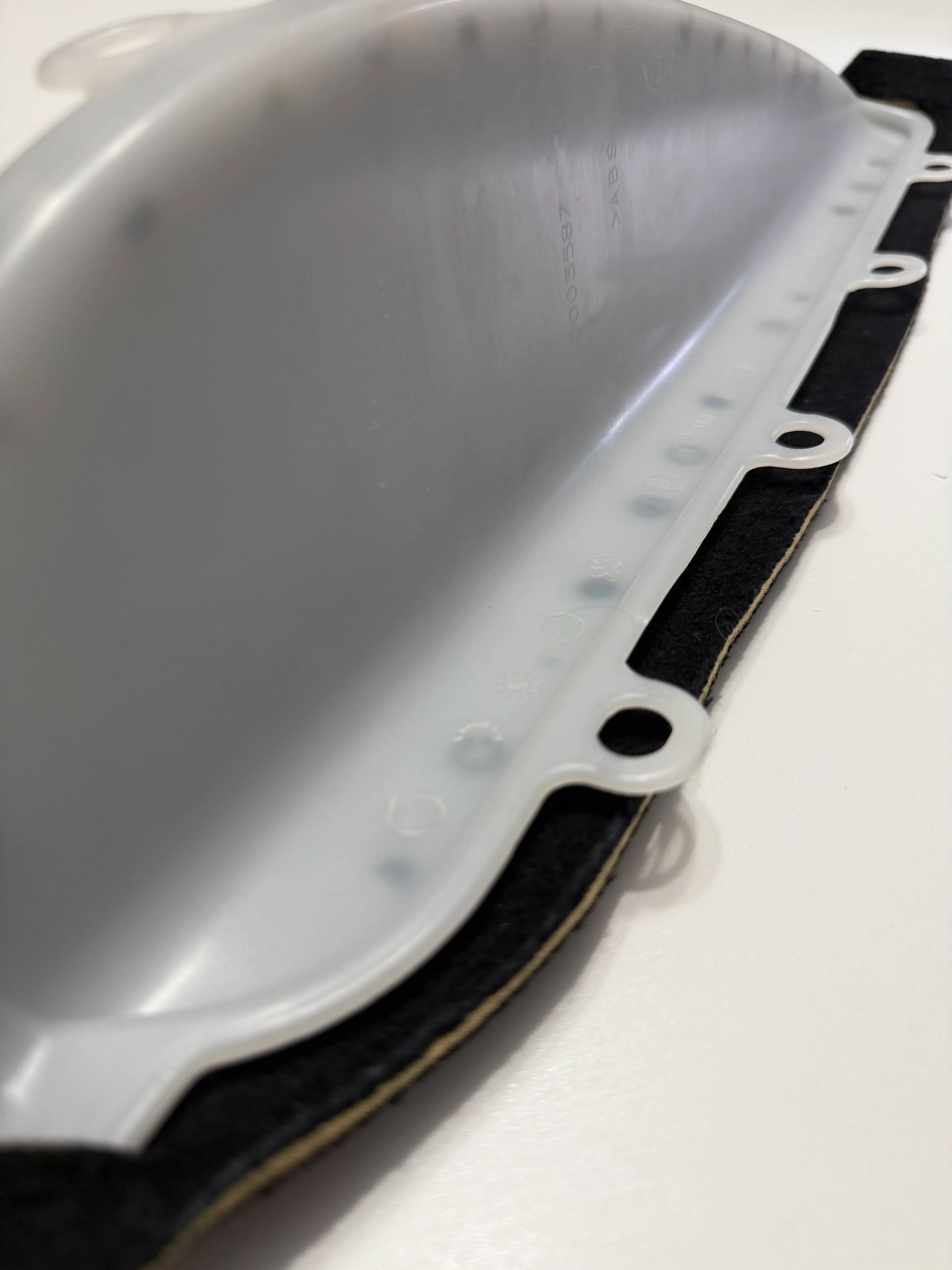
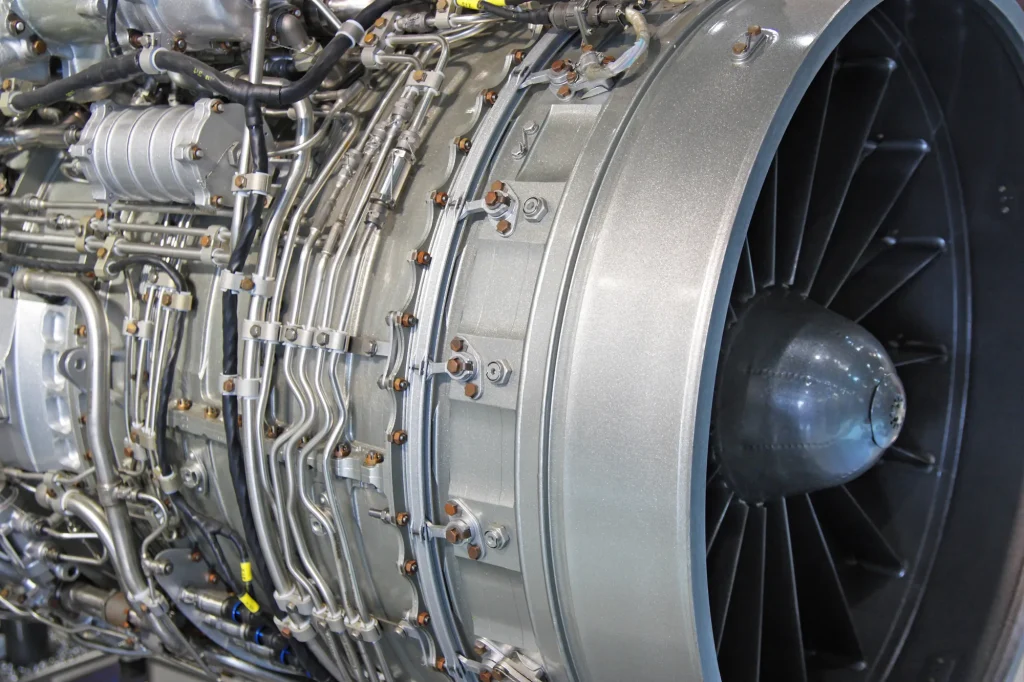
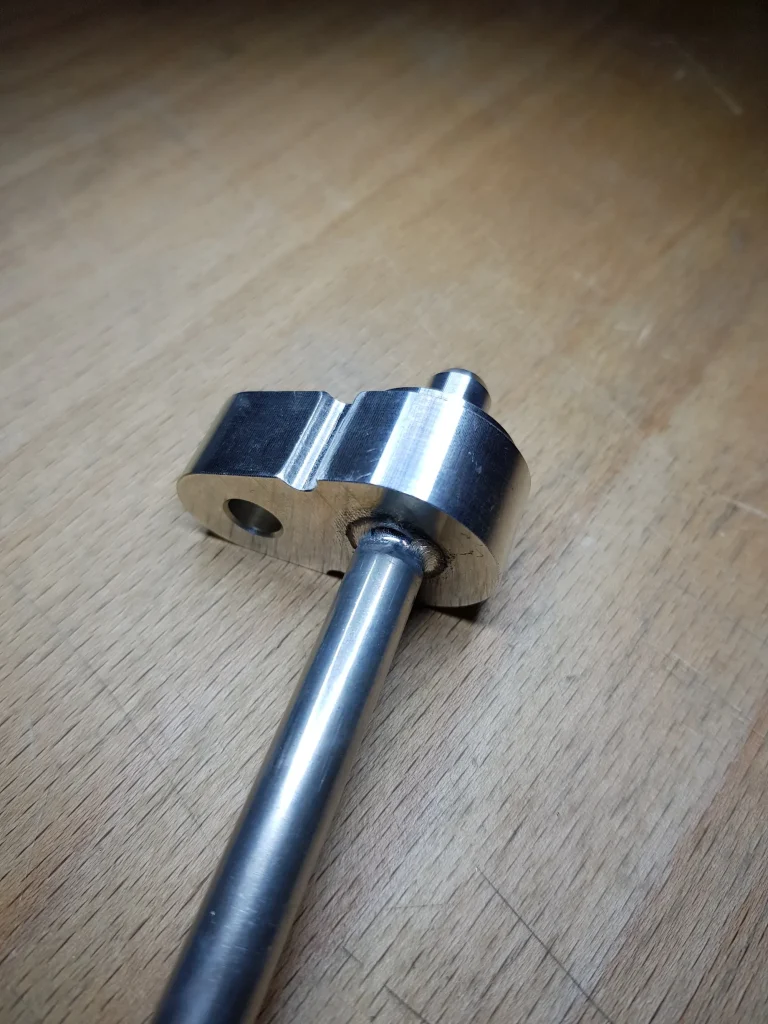
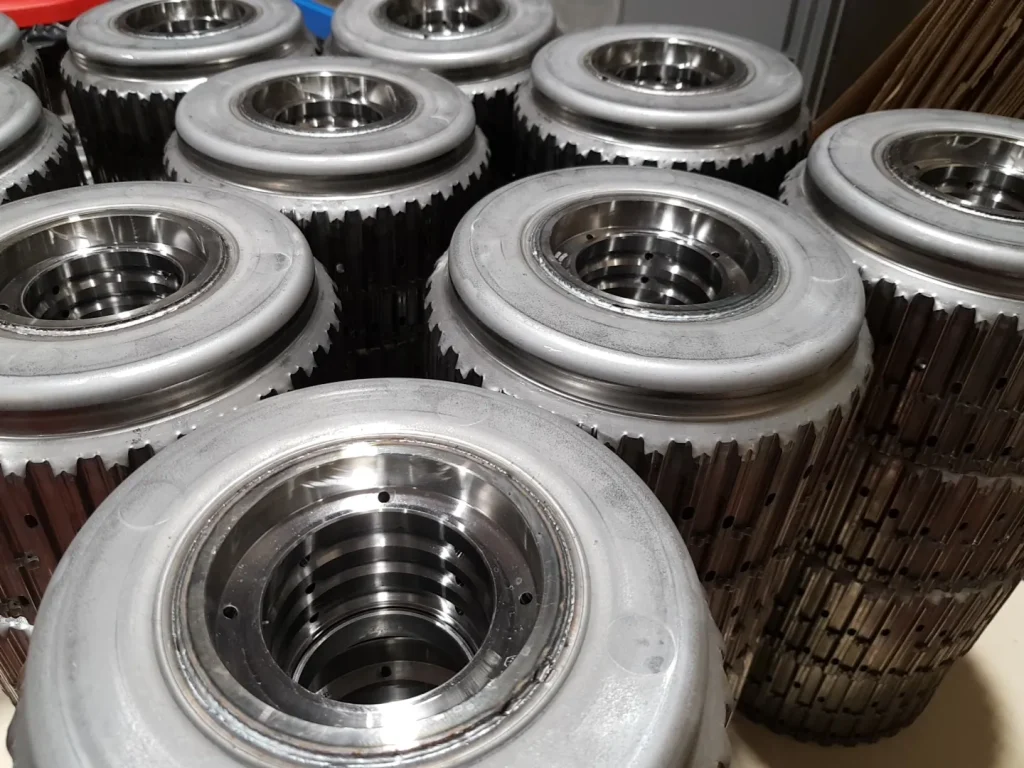
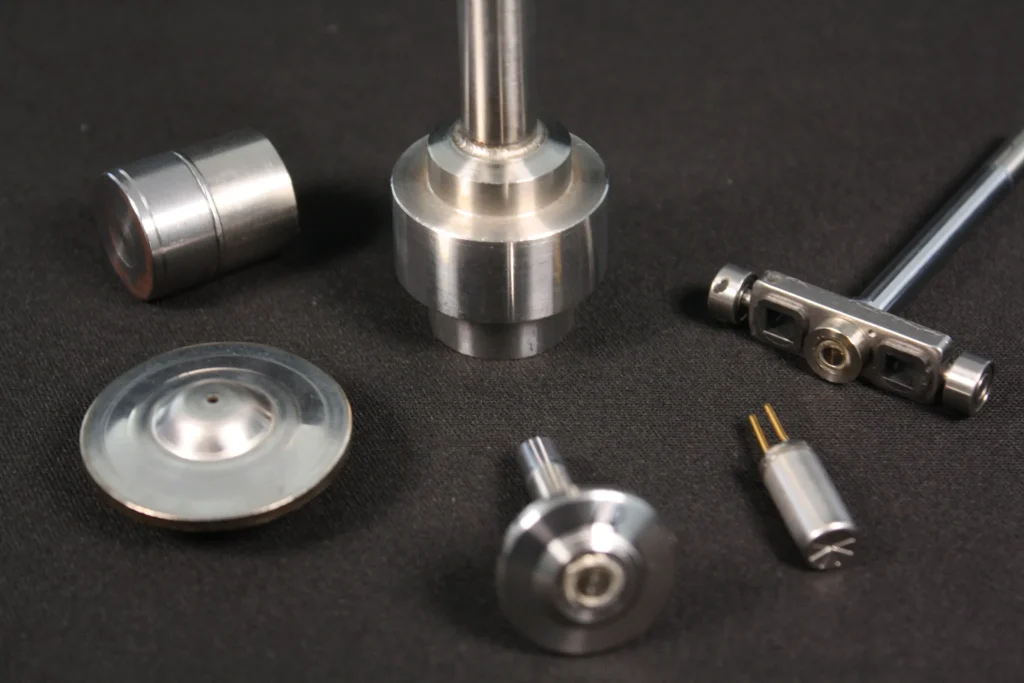
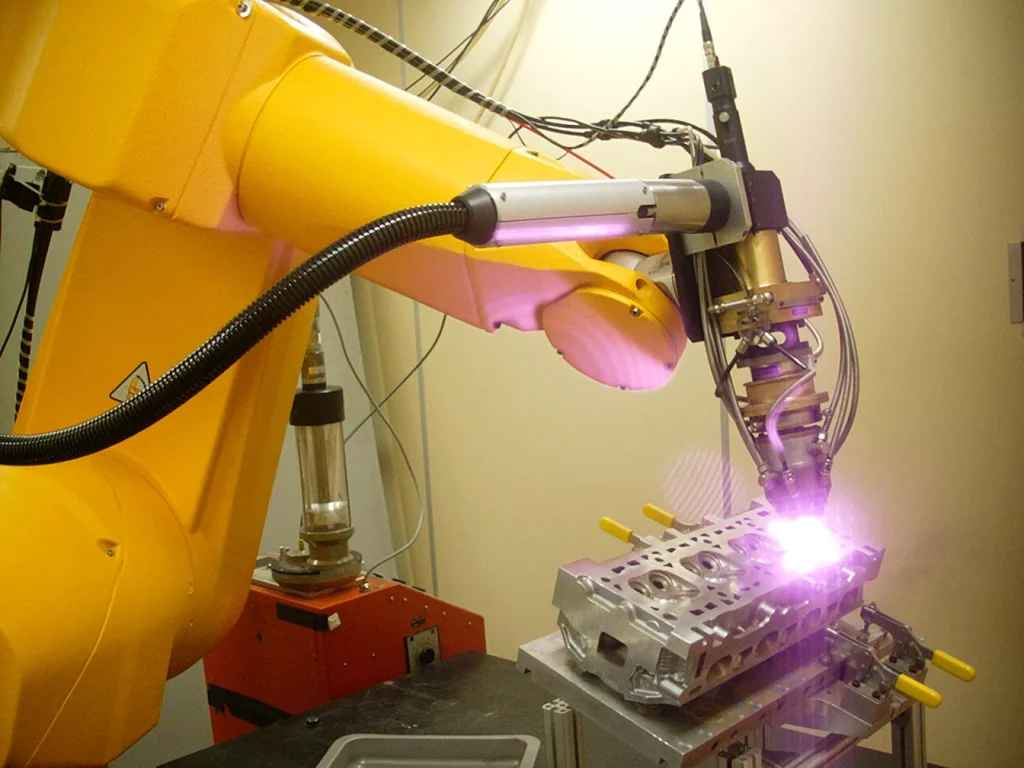
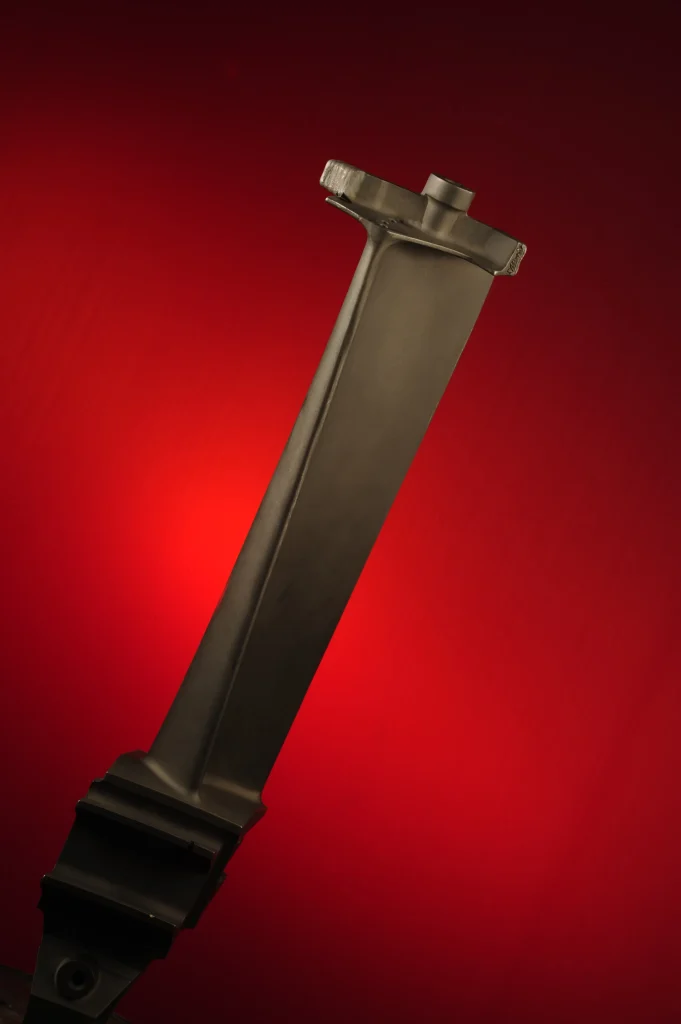
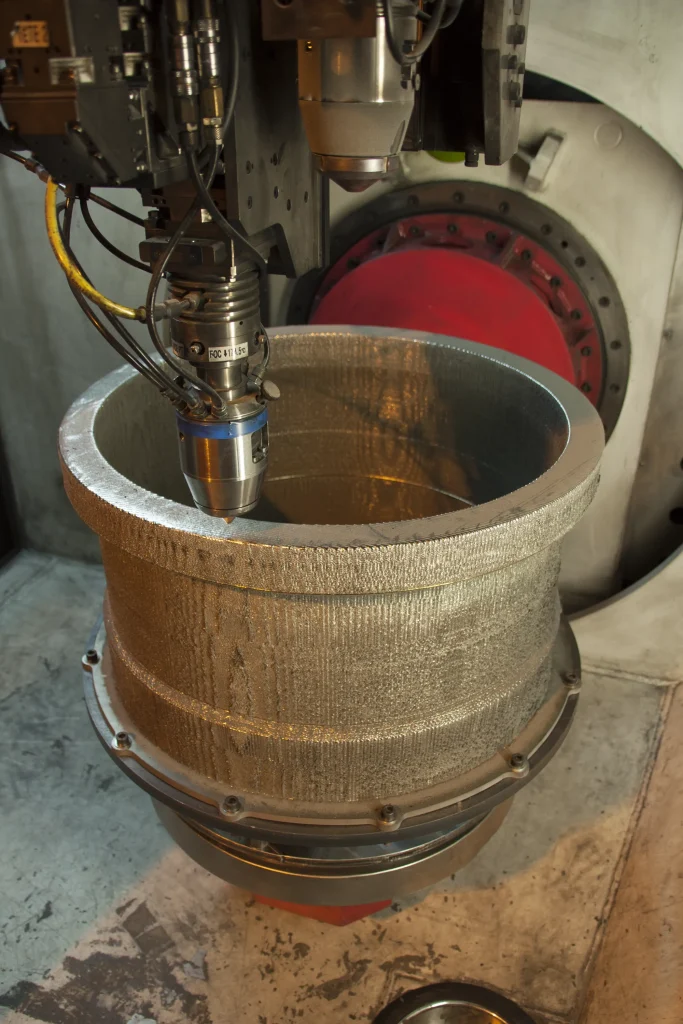
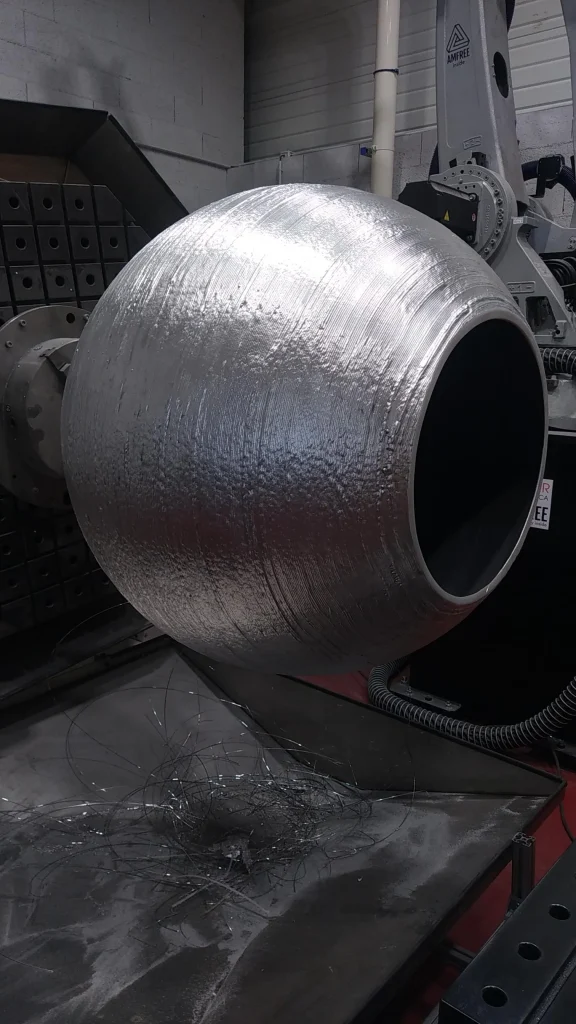
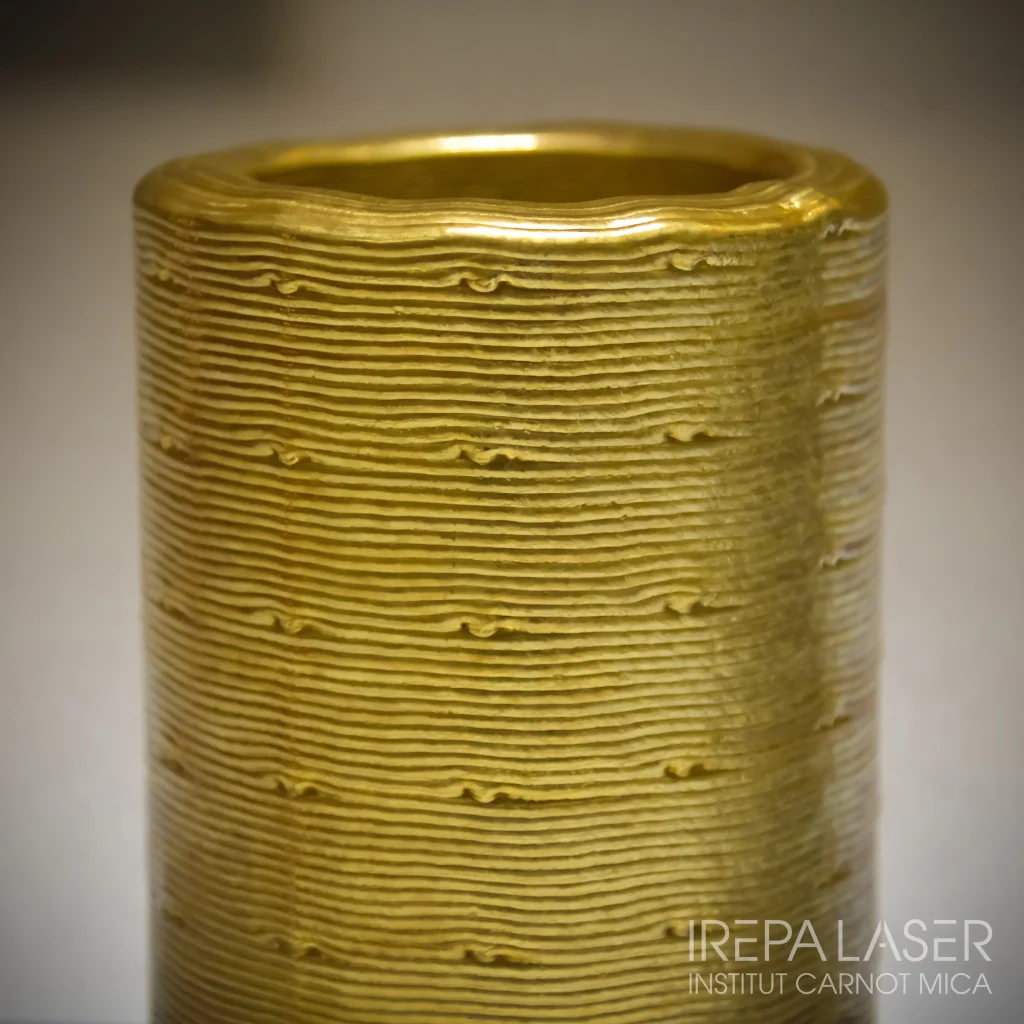
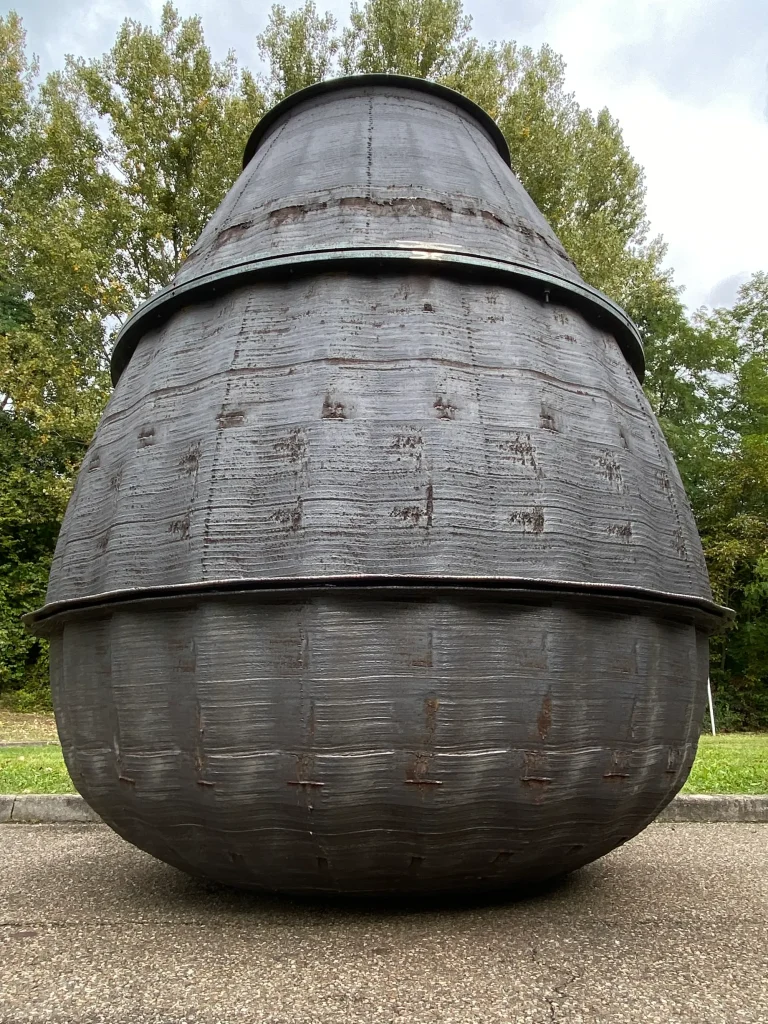
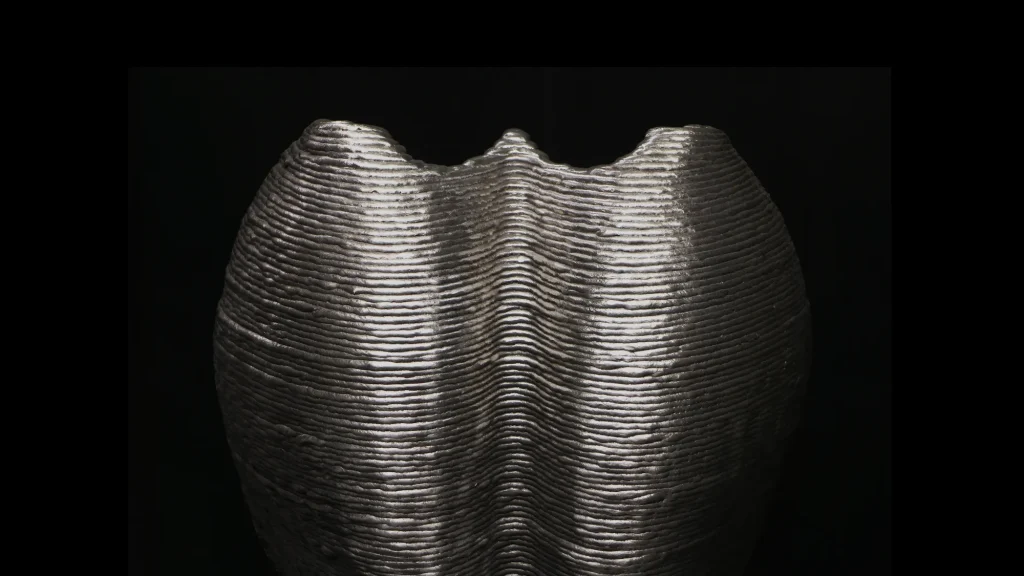
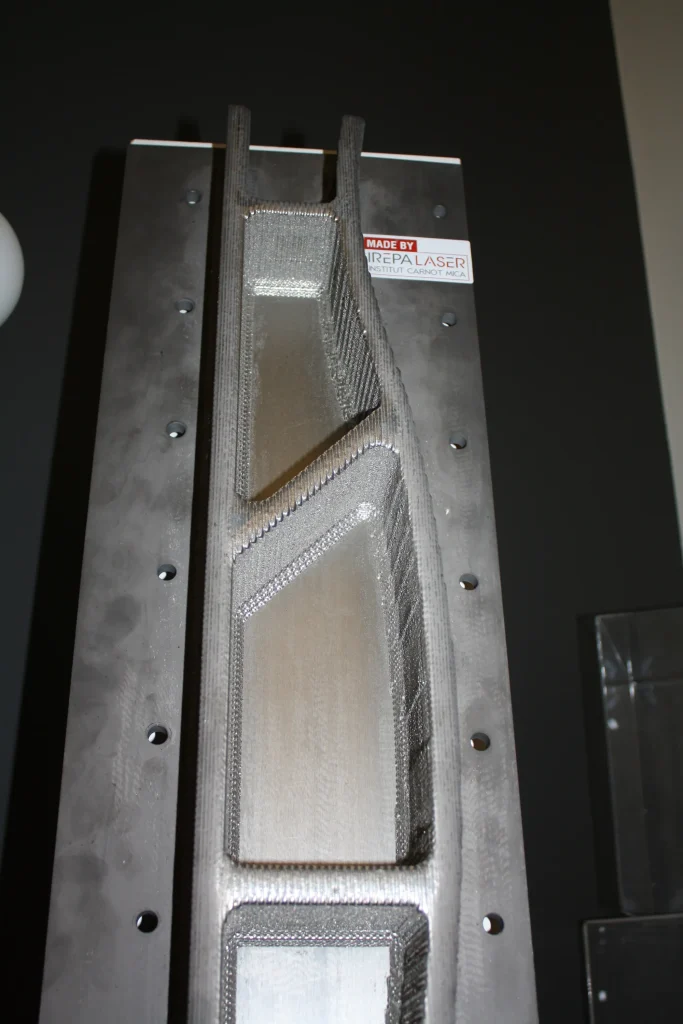
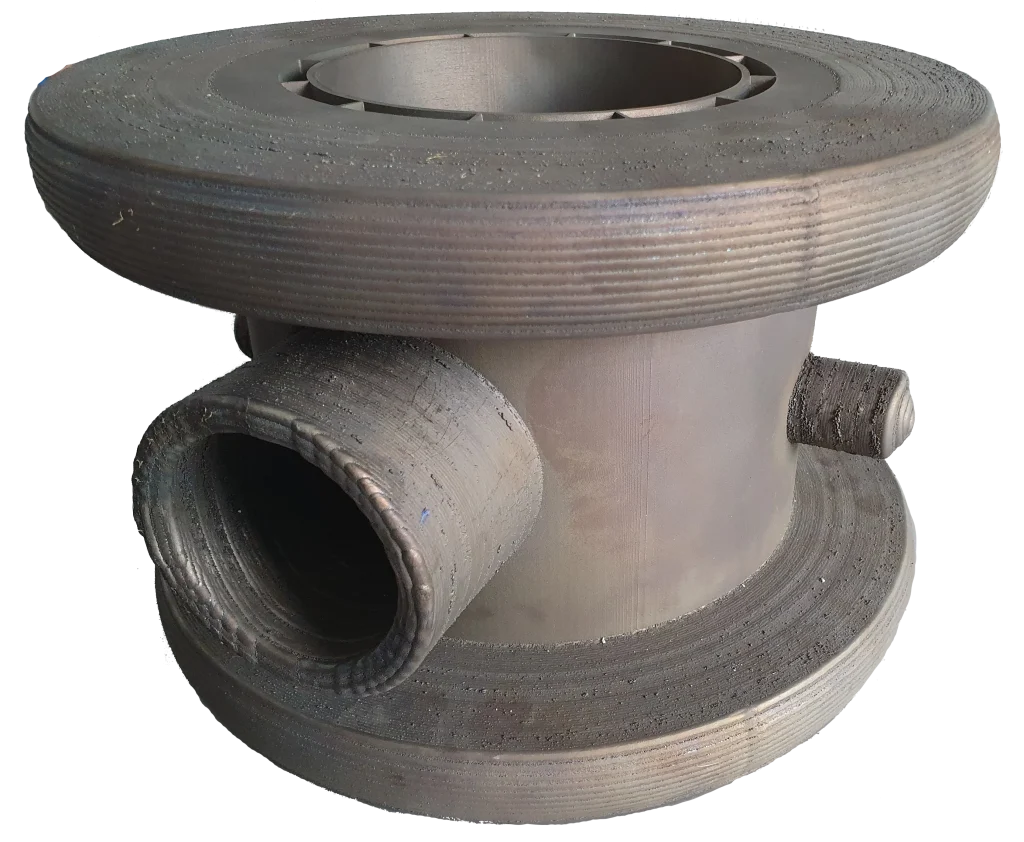
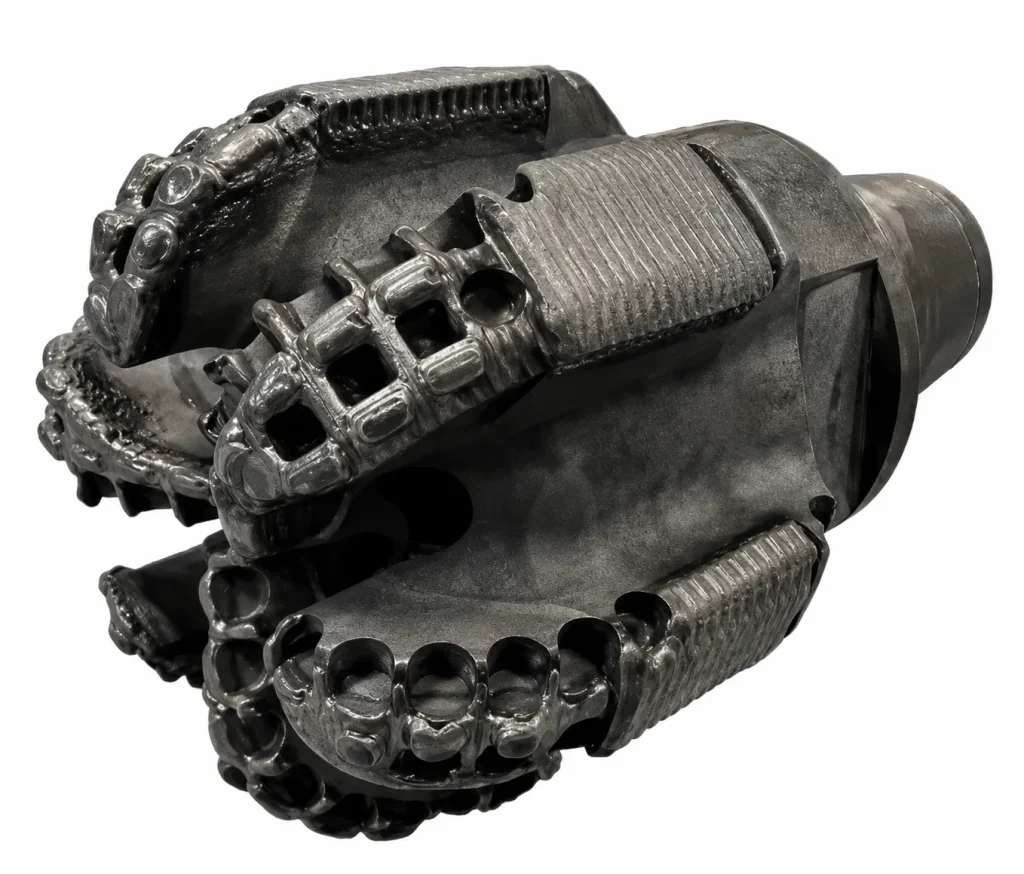
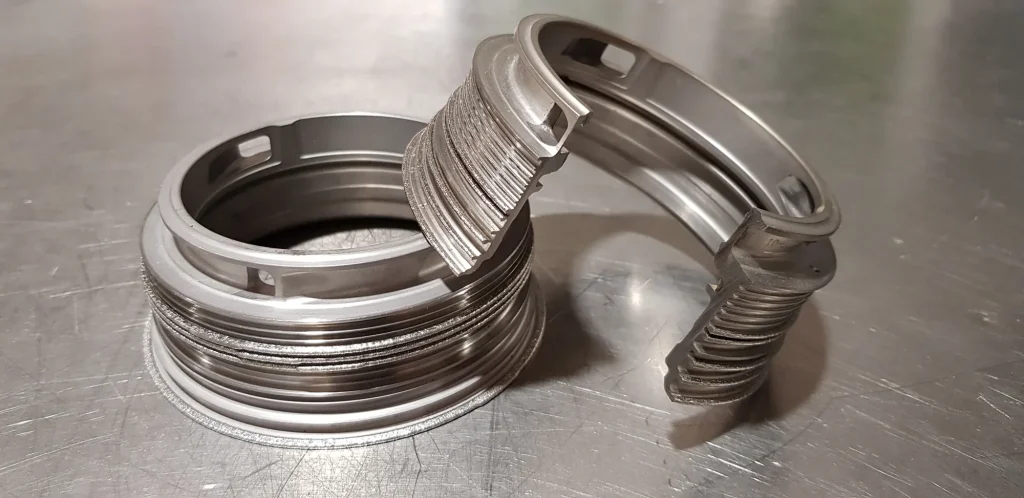
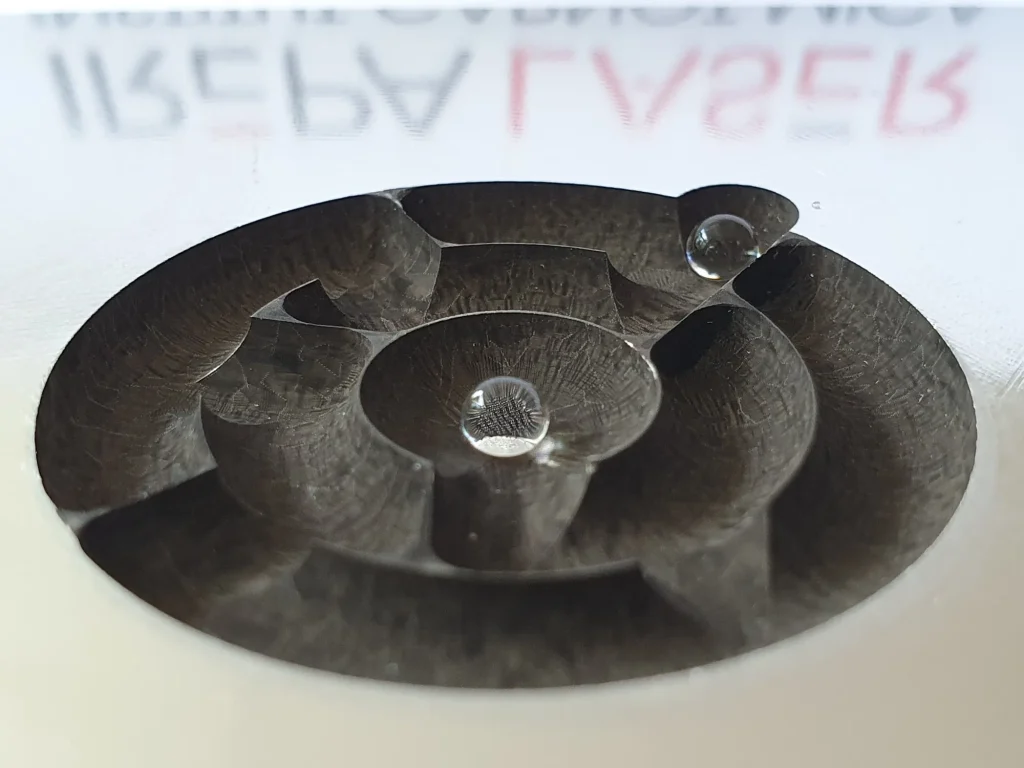
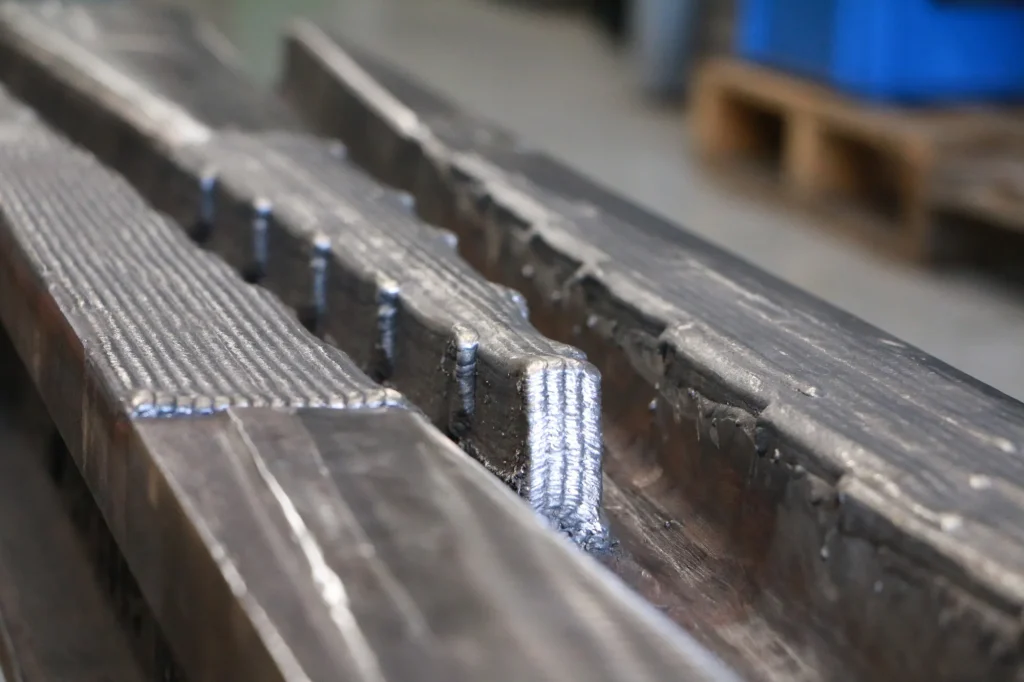
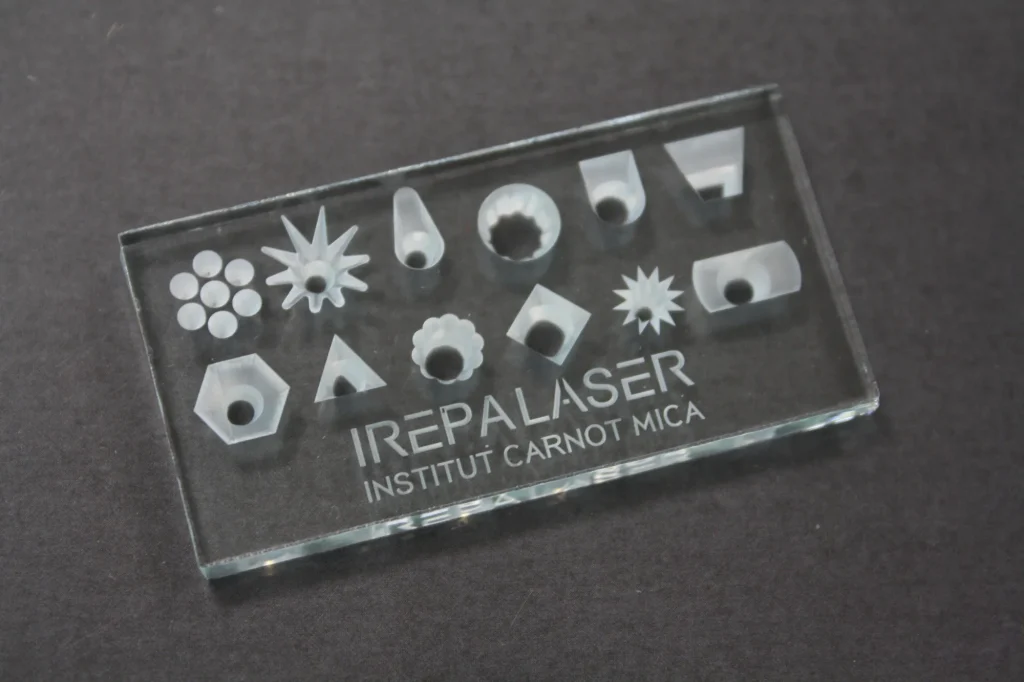
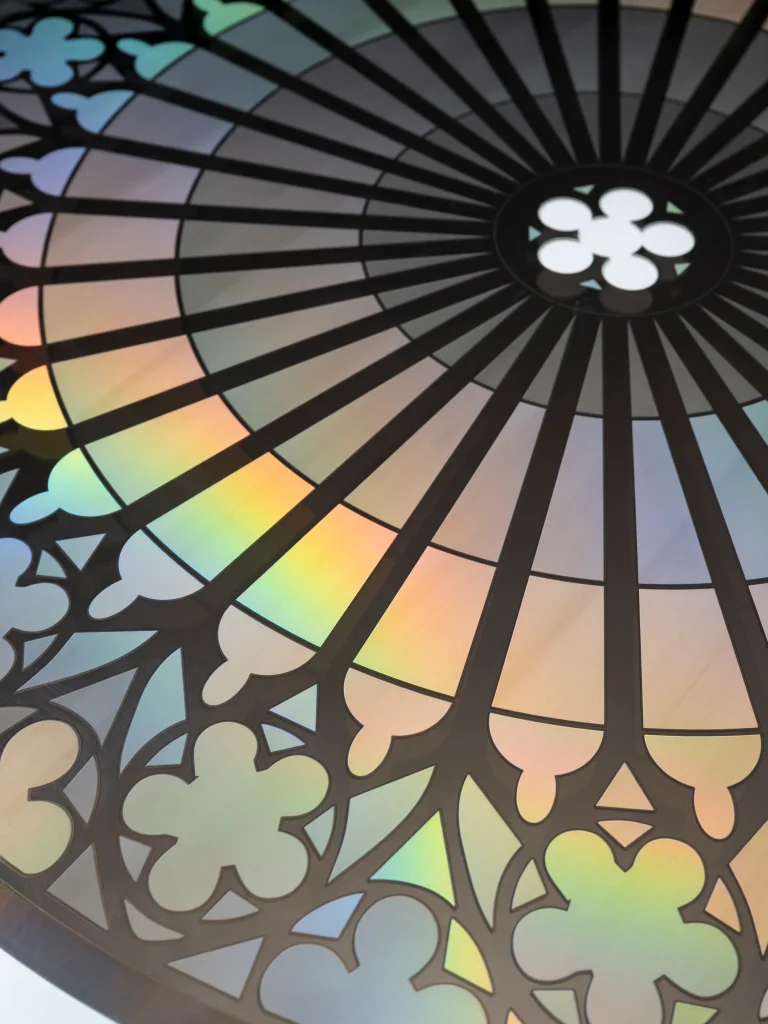
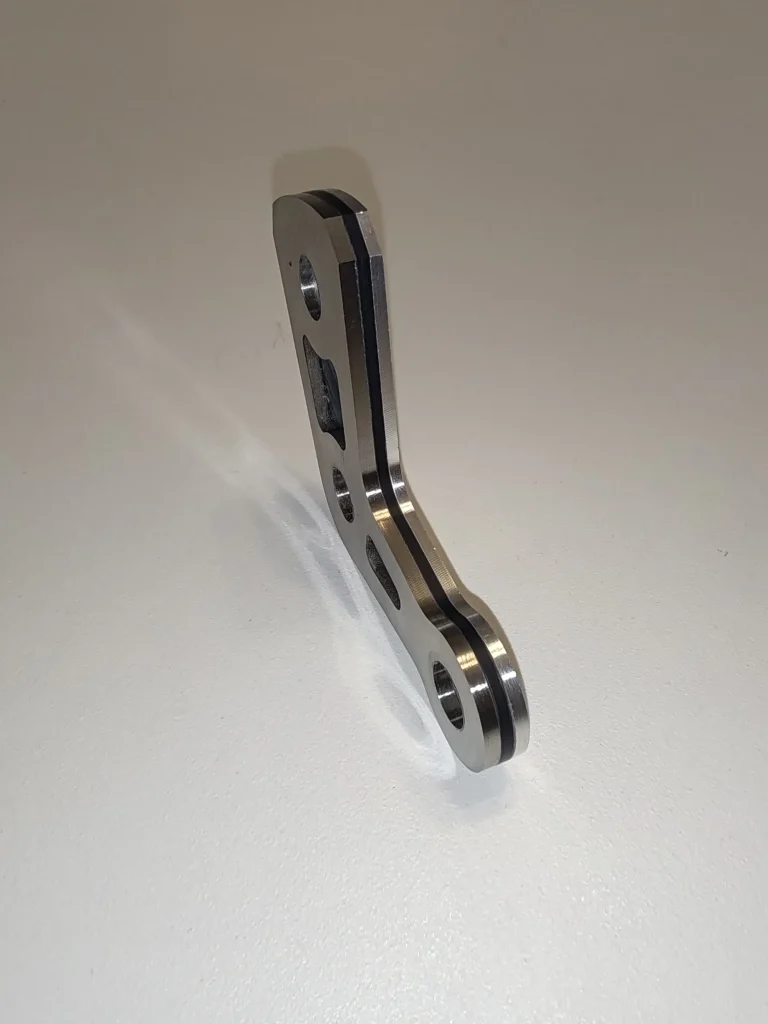
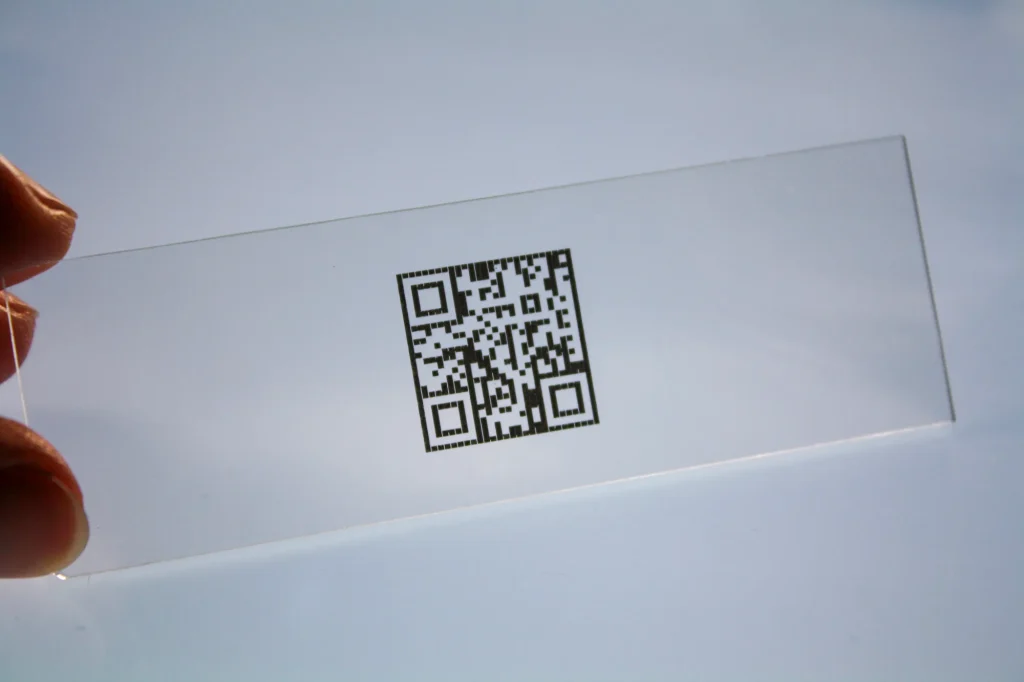
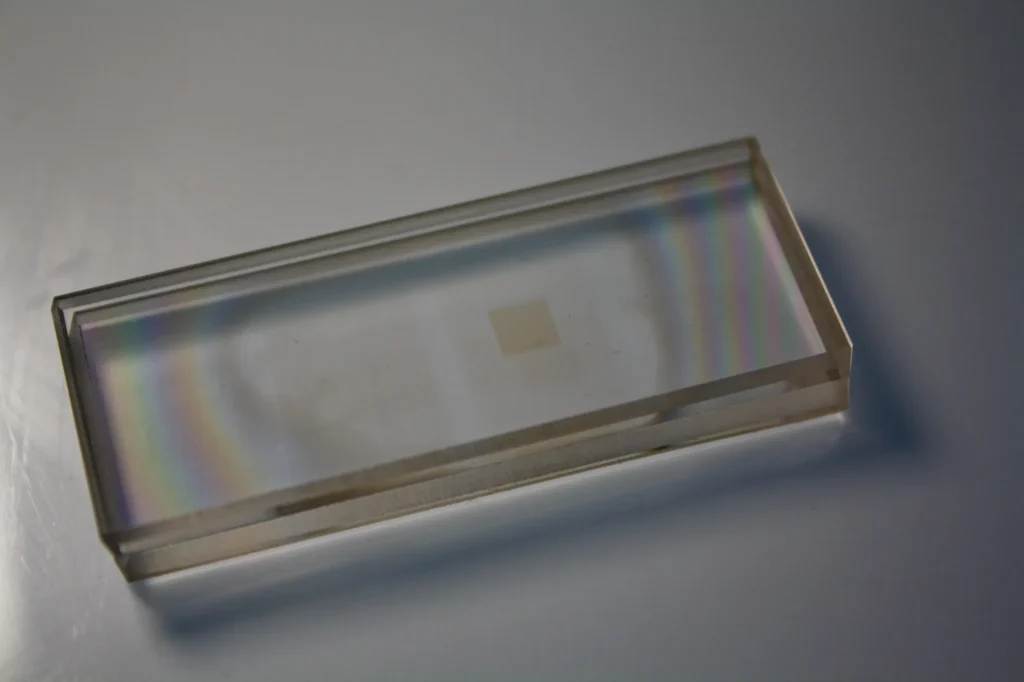
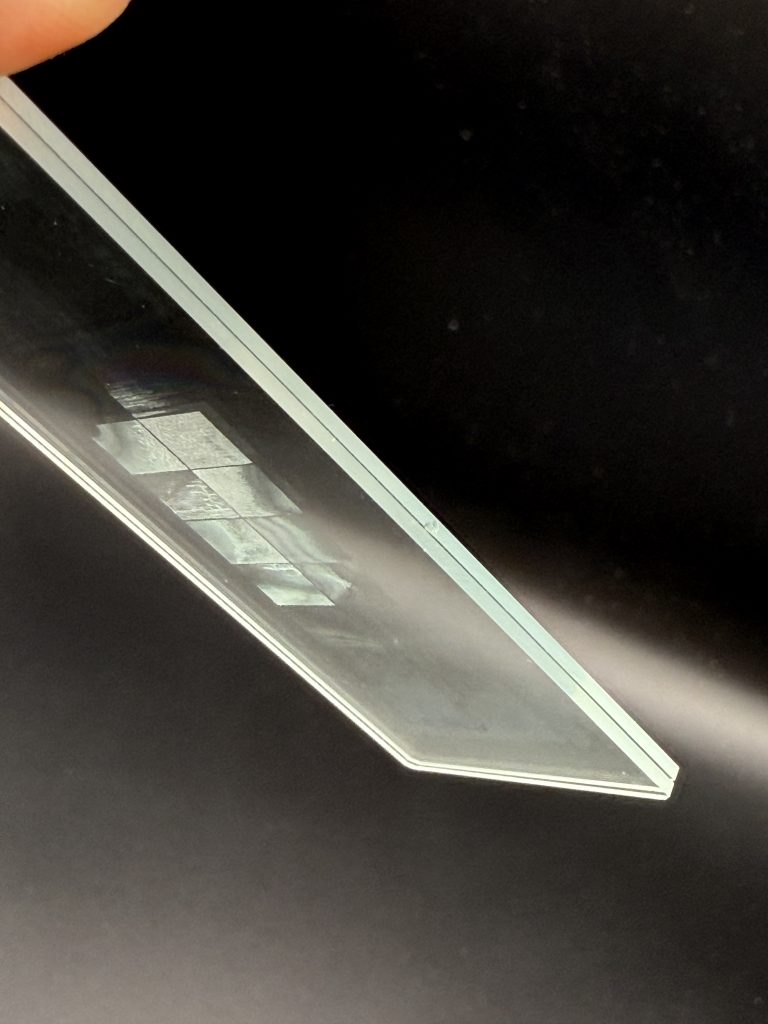
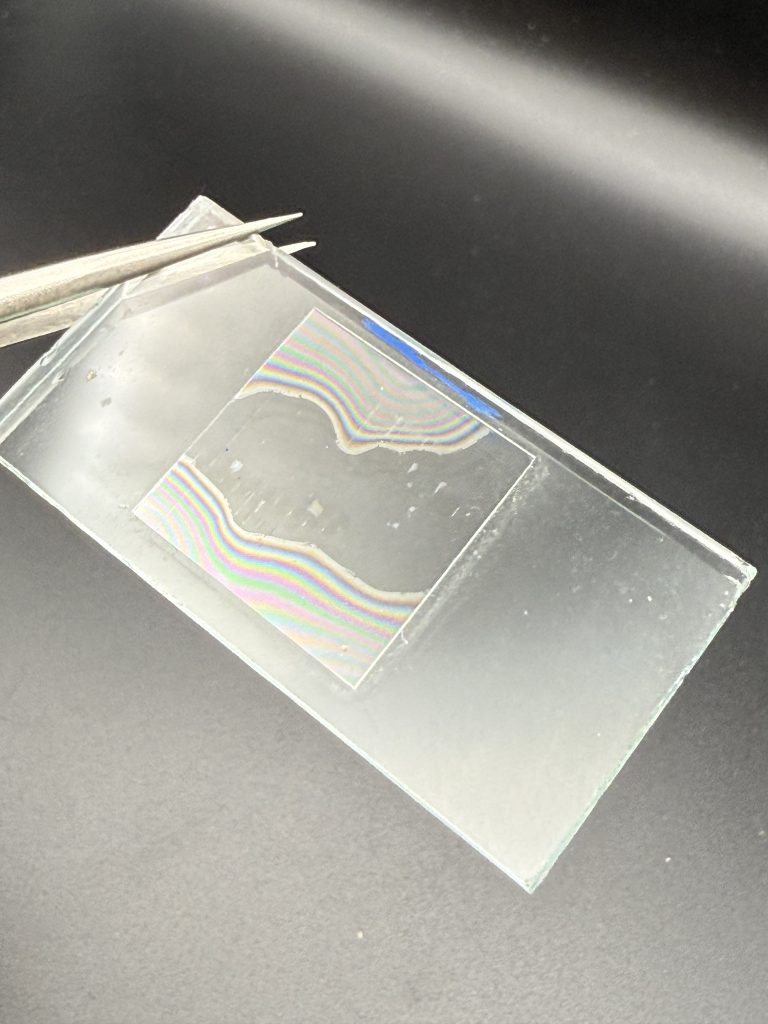
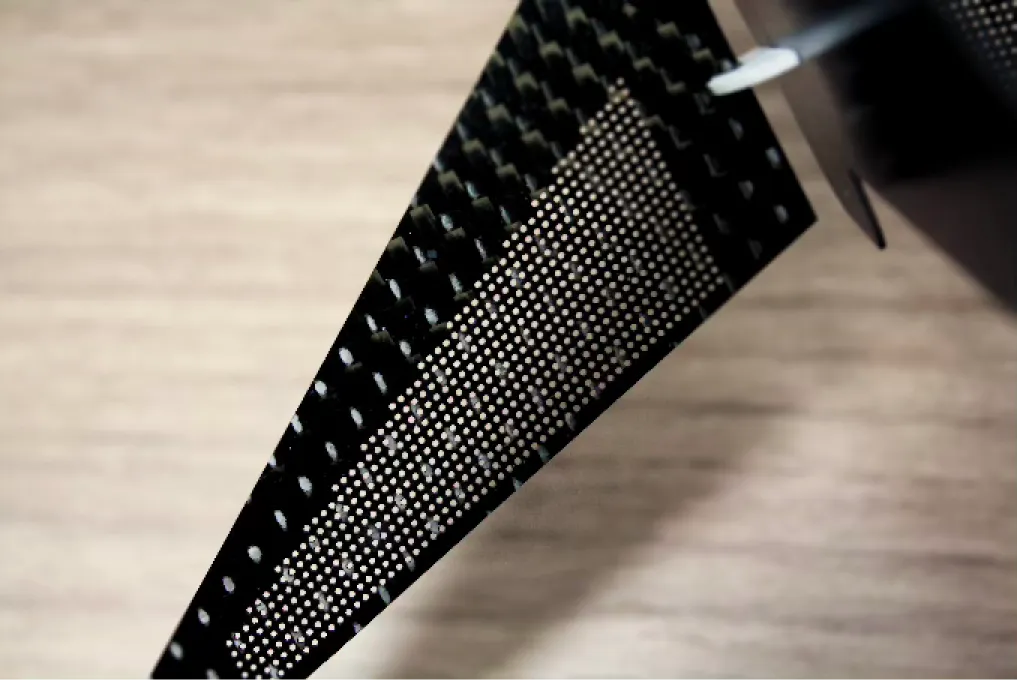
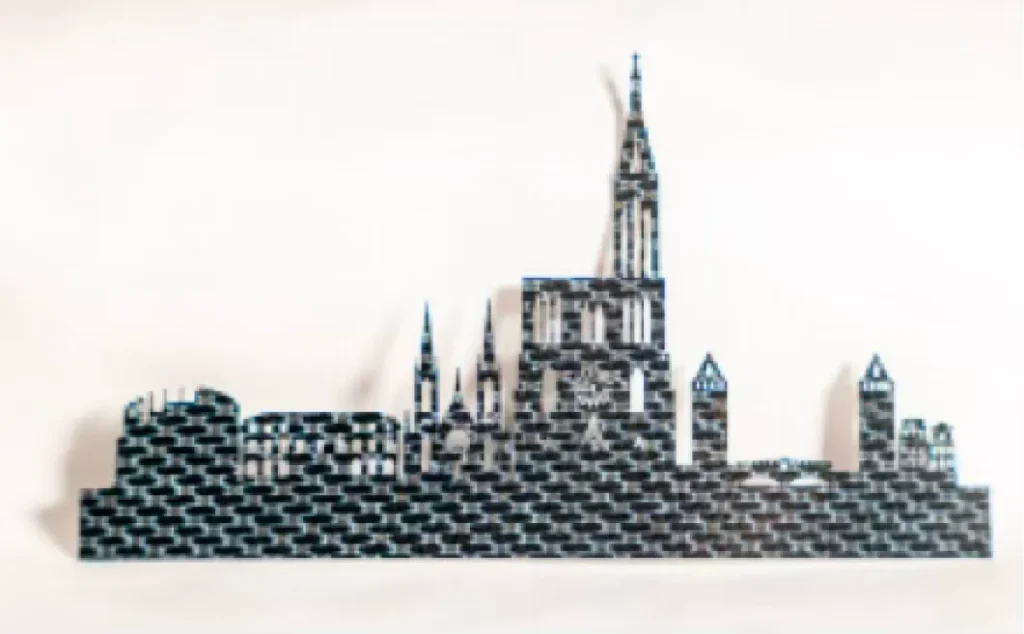
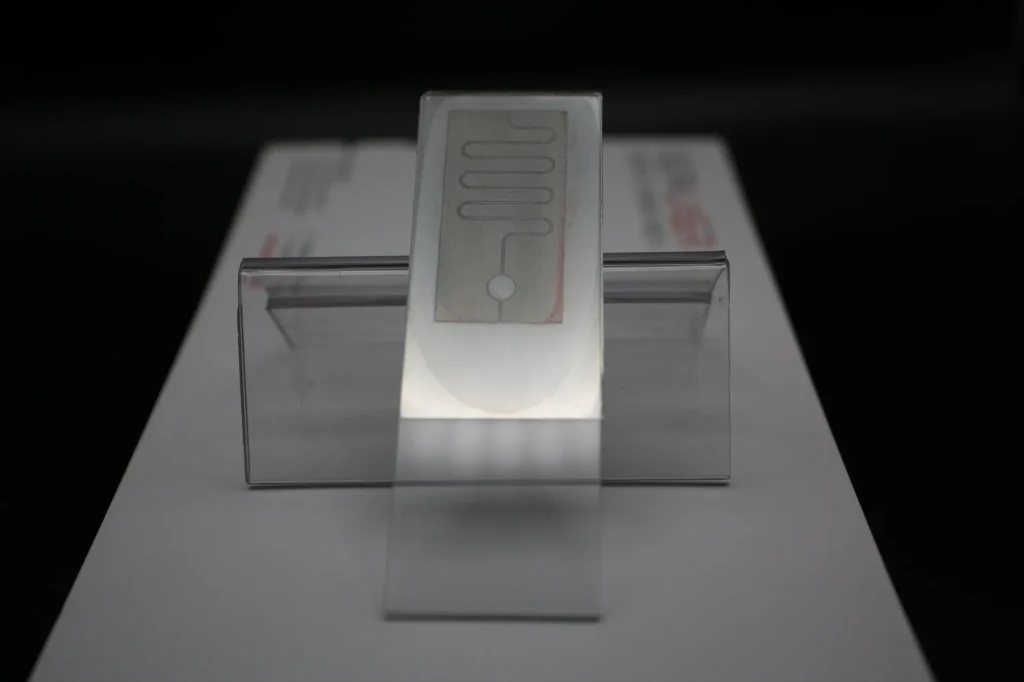
Each project illustrates our ability to meet strict requirements: micrometre precision, surface quality, complex geometries.
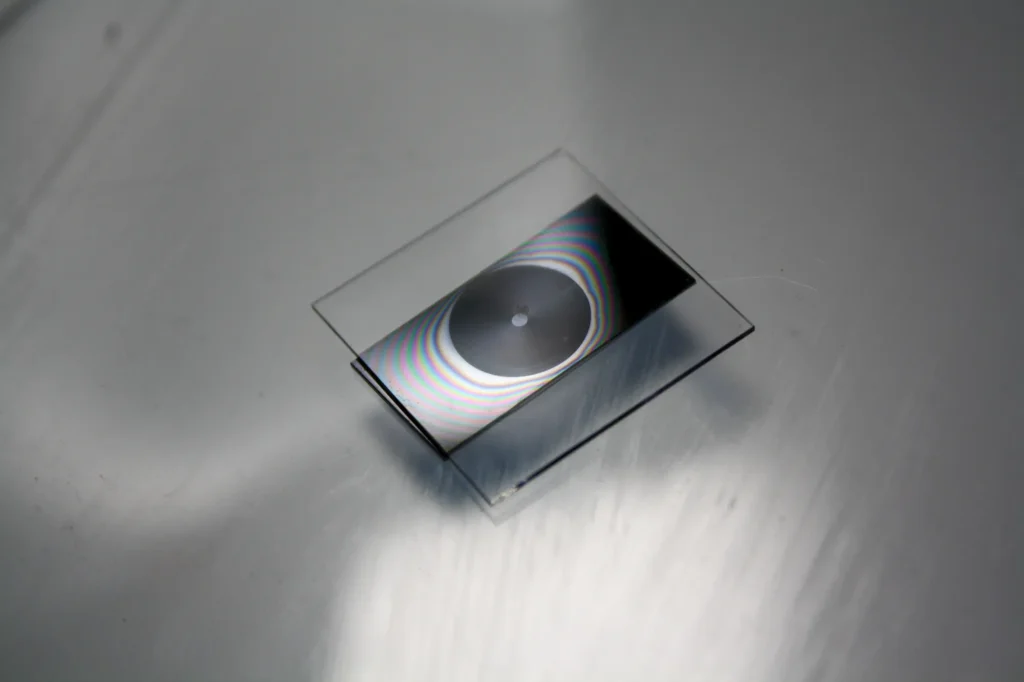
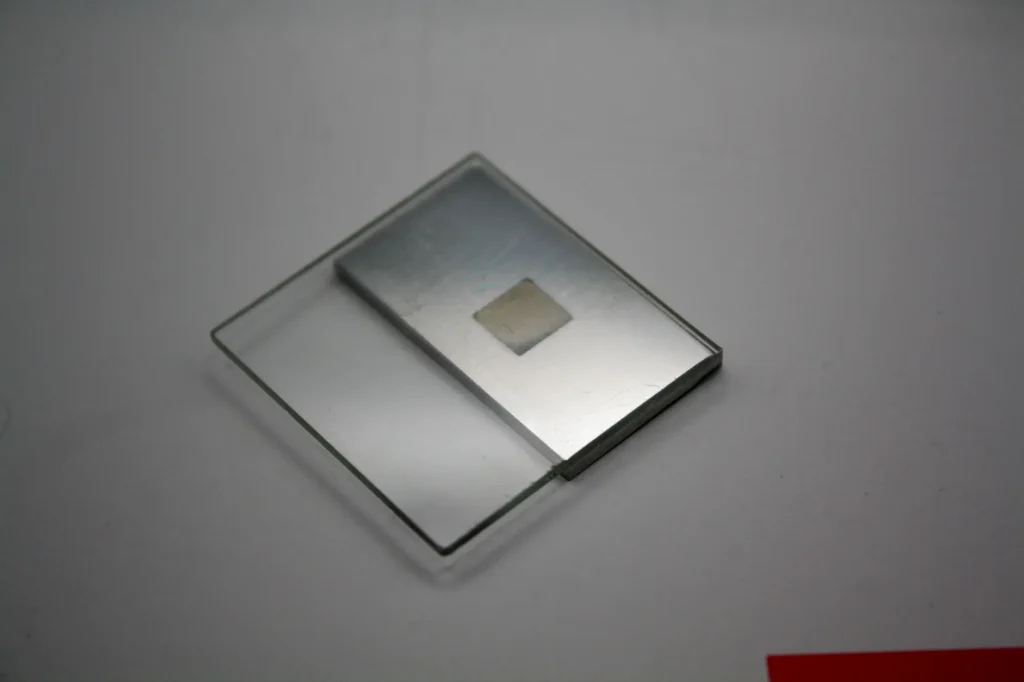
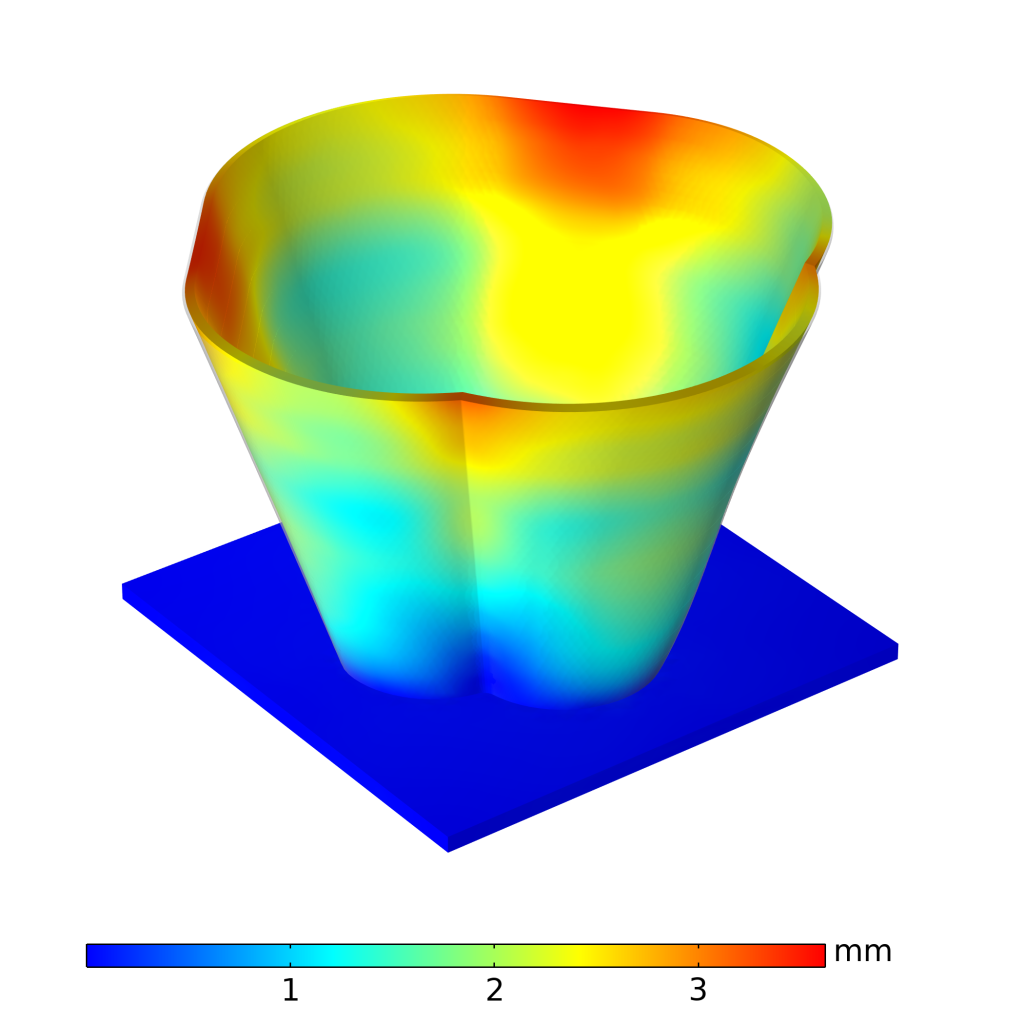
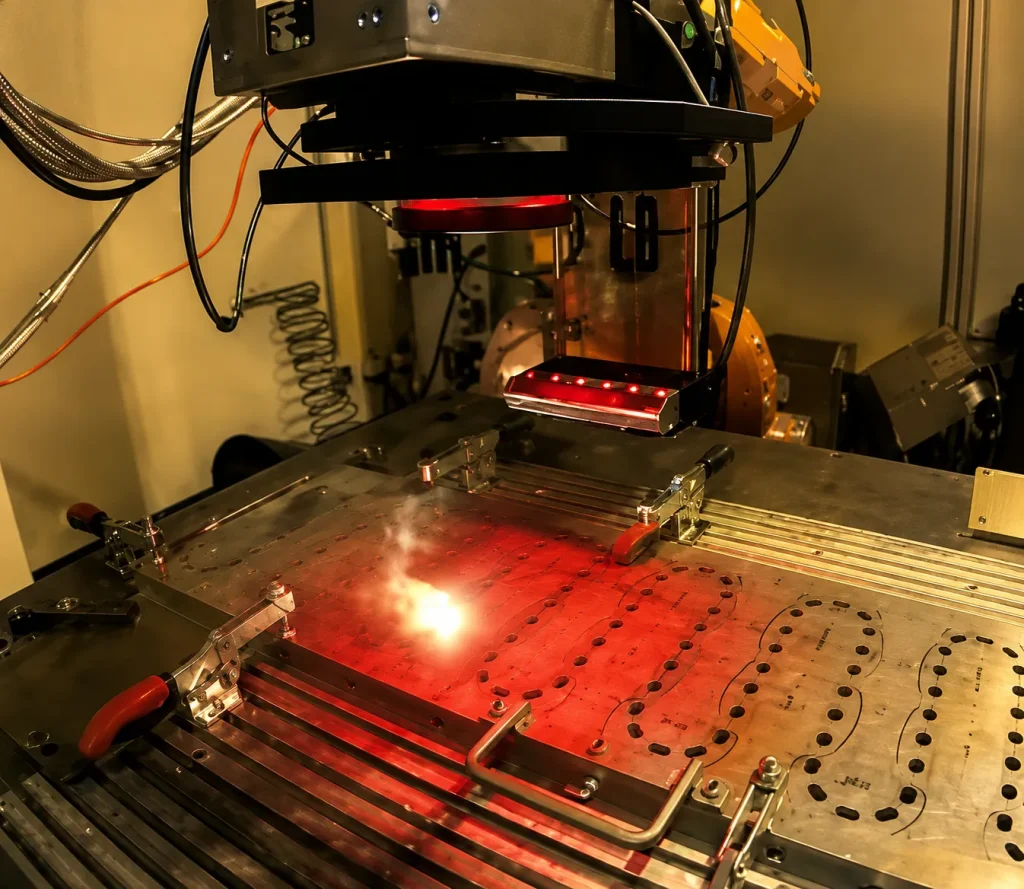
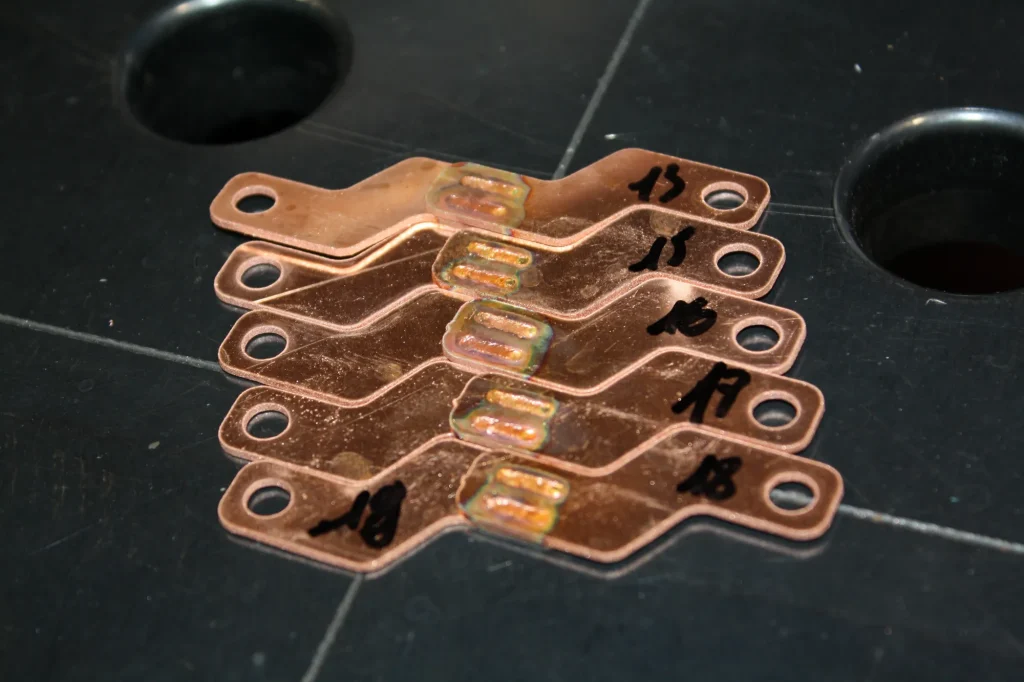
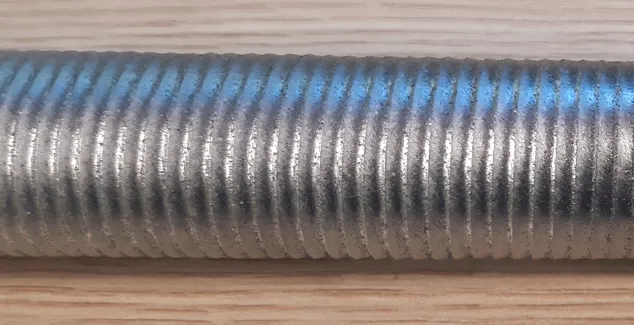
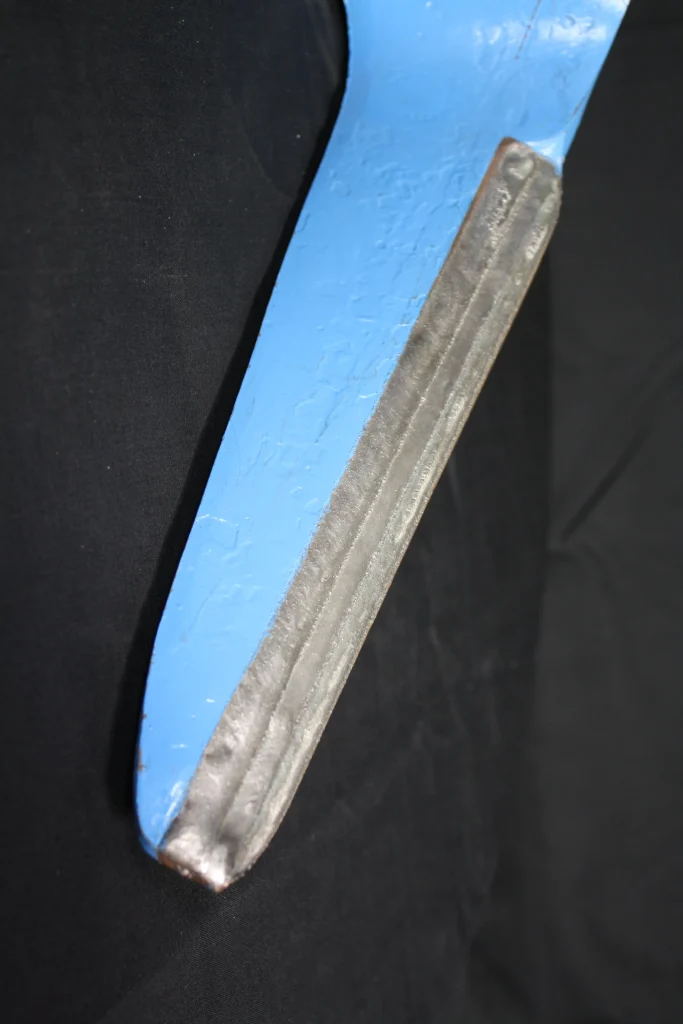
Our approach to your laser micro-cutting projects
Every micro-cutting project begins with a precise definition of what the cut must deliver: geometry, tolerance, edge quality, thermal constraints, throughput.
Feasibility study and choice of laser process
Development and optimisation of cutting parameters
Trials and prototypes
Production of one-off parts or small batches
Quality control and validation of cuts
Industrialisation and process transfer
Our aim: to guarantee precise, reproducible cuts tailored to your industrial needs.
Training in laser machining
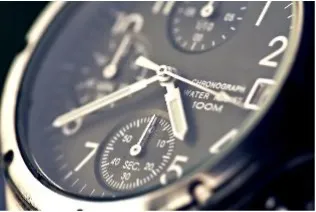
The new generation of pulsed lasers delivers performance that can position laser engraving strongly against traditional tools. Many applications are already operational in industry, notably in watchmaking and even in the manufacture of injection moulds or dies
Our training courses enable you to:
- Be able to adapt settings to the laser technology.
- Apply the basic principles of laser engraving and micro-machining.
- Master the influence of operating parameters.
- Acquire a process optimisation methodology.
Our training course aims to give you the skills to set up and optimise your engraving or micro-machining processes.
Your questions about laser micro-cutting
A contactless cutting process for producing thin parts and complex geometries.
Metals, polymers, ceramics, composites, glass…
In the order of a micron, depending on the technology and parameters used.
Yes, with guaranteed repeatability, quality control and productivity.
Precise cuts, reduced mechanical stress, preservation of material properties, industrial repeatability.
It makes it possible to produce thin, complex parts with an optimal surface finish, without thermal or mechanical alteration. This improves the reliability, durability and functionality of your components in your specific industrial conditions.
Need precise micro-cuts for your parts?
Let us work together to identify the laser solution best suited to your industrial challenges.