Laser cladding and stelliting of industrial surfaces
Abrasion, corrosion, cavitation, high temperatures: some surfaces are subjected to stresses that accelerate their degradation.
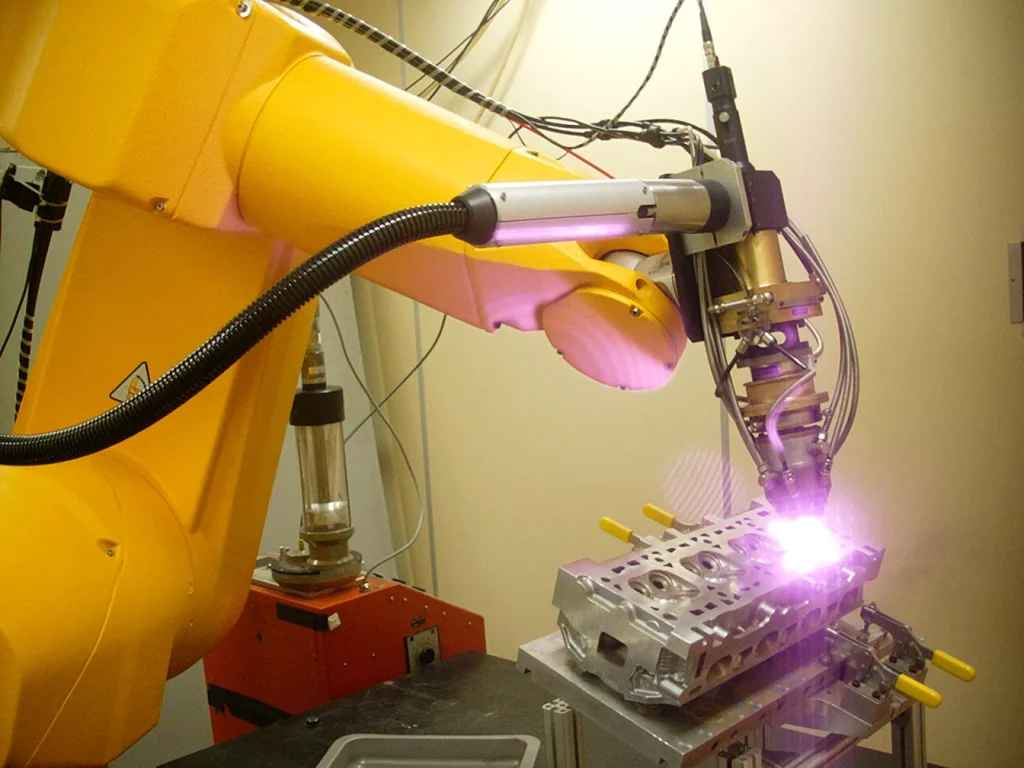
Laser cladding reinforces these areas by depositing a suitable alloy only where its properties are needed.
Laser cladding is the solution for extending component service life, improving performance and controlling material consumption.
Preventing or treating degradation
Laser cladding meets two needs: treating an already degraded surface or reinforcing a part before it enters service.
Treating a degraded surface
Corrective cladding
Compensating for wear, corrosion or cavitation to extend the part's service life.
Reinforcing a surface
Preventive cladding
Improving the resistance of an area subjected to severe stresses.
Protecting a new part
Preventive cladding
Anticipating wear by reinforcing the most heavily stressed areas right from manufacture.
Optimising material costs
The right material in the right place
Reserving high-performance alloys for the areas that need them, to optimise the overall cost of the part.
What laser DED cladding makes possible
Laser cladding provides the material and properties required exactly where they are needed, according to the stresses to which the part is exposed.
- Deposit material locally on worn or heavily stressed areas
- Restore a dimension with an alloy that outperforms the original material
- Reinforce surfaces exposed to wear, corrosion or cavitation
- Control heat input and dilution to preserve the properties of the deposited material and the part
Cladding can be applied to massive components as well as to thin or hard-to-reach areas, depending on the technology and deposition strategy chosen.
Materials: Stainless steels · Nickel-based alloys · Cobalt-based alloys · Titanium · Aluminium · Tungsten carbides · Copper alloys - Other specific metal alloys
Application focus: laser stelliting
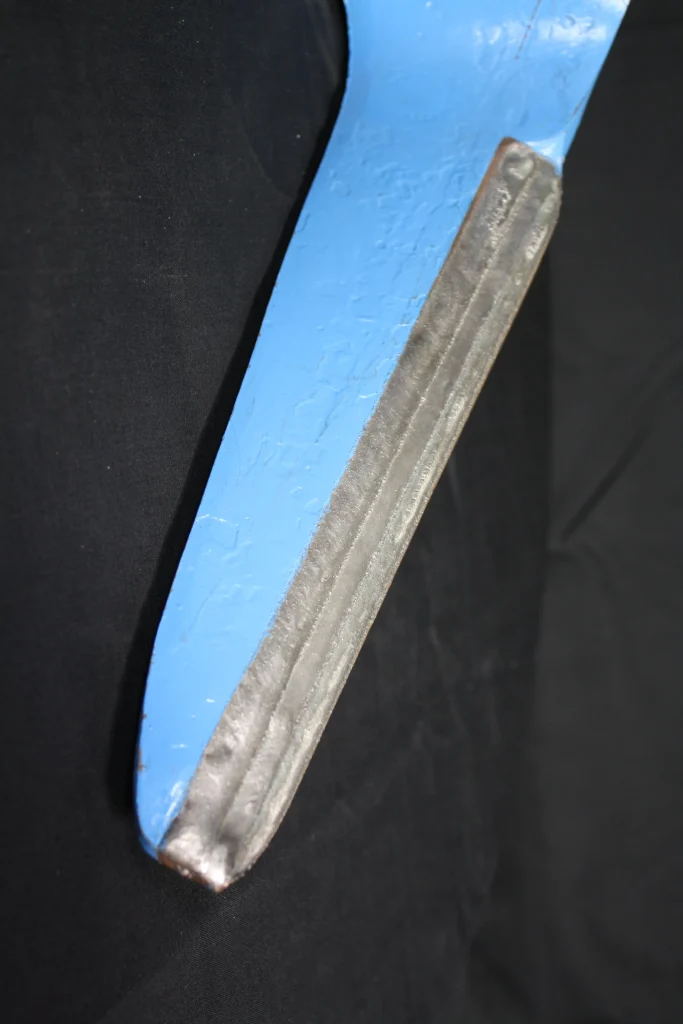
Stelliting involves depositing a cobalt-based alloy (Stellite) on the areas exposed to the most severe service conditions.
The aim is not simply to add material, but to give the surface properties superior to those of the original material, notably high resistance to friction, corrosion or temperature.
Particularly used in the energy and nuclear sectors, laser stelliting protects and extends the service life of critical components whose availability directly determines plant operation
Extending service life rather than replacing
Some industrial parts are subjected to stresses that gradually degrade their surfaces: abrasion, corrosion, friction, cavitation or thermal stresses.
When they are expensive, difficult to replace or slow to re-source, laser cladding extends their service life and limits production downtime. But cladding can also be considered before any damage appears.
By reinforcing the most heavily stressed areas from the outset, it is possible to increase a part's service life and use a high-performance alloy only where its properties are truly needed.
Cladding thus becomes both a technical and an economic solution: extending service life, improving performance and using material where it creates the most value.
From feasibility study to industrial transfer
Feasibility study and consultancy, parameter development and optimisation, trials, prototypes and process validation, one-off or small-batch production, quality control, industrialisation and transfer: we step in at whatever stage you have reached.
Our laser cladding and stelliting projects
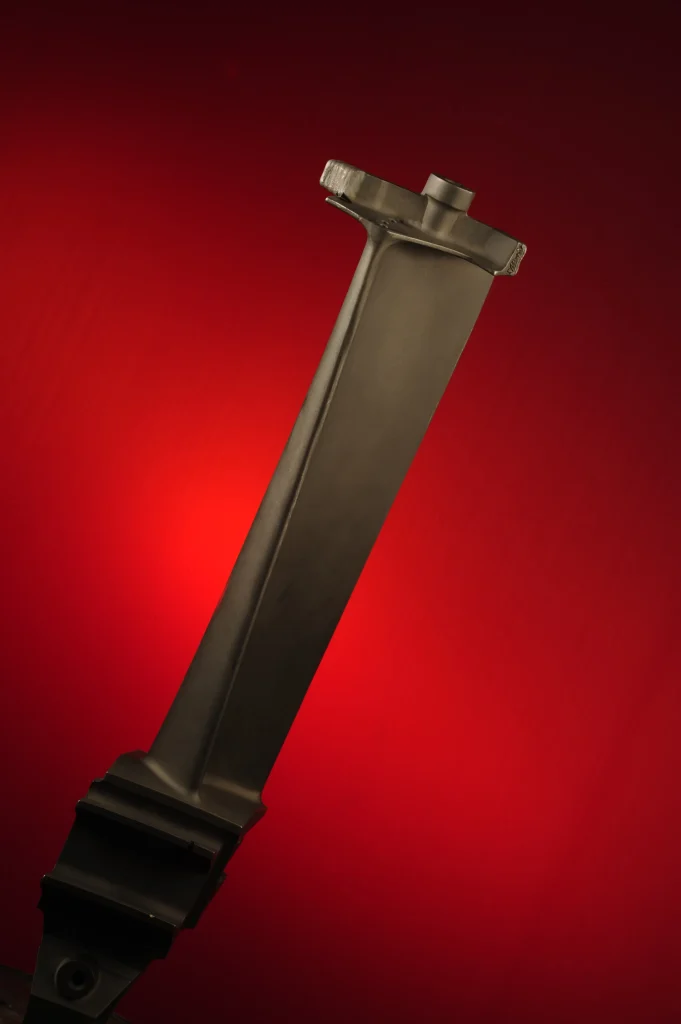
Each project illustrates our ability to meet the specific constraints of cladding and stelliting:
The sectors we support
Energy and nuclear, aerospace, mechanical engineering and tooling, transport, agriculture: wherever surfaces operate in severe conditions.
Repair or clad? Our feature explains what distinguishes the two approaches and when to choose one or the other.
Feasibility study, process development, trials and validation, training, industrialisation and transfer: we step in at whatever stage you have reached, without imposing the rest.
Training in laser cladding
We offer a dedicated laser cladding training course, bringing together process, metallurgy and industrial applications. It is designed for technicians, engineers and operators who wish to master these techniques in an industrial environment.
Your questions about laser cladding and stelliting
Cladding involves depositing a suitable metal alloy to reinforce a surface, improve its performance or restore a dimension. Stelliting is a specific form of cladding carried out with a cobalt-based alloy, particularly suited to surfaces exposed to severe wear (friction), corrosion or temperature conditions.
Deposit thickness ranges from a few tenths of a millimetre to several centimetres. It is defined according to the required function and the characteristics of the part, and depends in particular on the material to be deposited, the area to be clad and the expected performance. Our teams define the deposition strategy suited to the requirements of each application.
Controlling heat input limits the distortion and residual stresses generated during deposition. The cladding strategy is adapted to the part and its thermal sensitivity in order to preserve the substrate and the component's characteristics. A preliminary analysis validates the feasibility of the process.
A surface to reinforce or protect?
Laser cladding or stelliting: tell us about your component and its service conditions. We will identify the most suitable solution and alloy for your needs.