
Laser welding of polymers: sealed, clean, additive-free joints
Standard and engineering thermoplastics, composites: IREPA LASER develops and industrialises laser welding processes suited to every polymer configuration and can assist you from the part design phase through to series production.
Why laser welding is the answer to polymer joining constraints
Conventional polymer joining techniques such as bonding, ultrasonic, HF and screwing are proven, but may in some cases have limitations: contamination, deformation, embrittlement, aesthetic impact or difficulty in integrating sensitive functions such as electronics or microchannels.
Laser welding of polymers offers a precise alternative for these complex assemblies. Depending on the materials and part configuration, different approaches can be used to generate localised, controlled melting in order to obtain a strong, sealed, aesthetic or even invisible bond.
IREPA LASER develops and qualifies polymer laser welding processes for applications where process cleanliness, joining precision, aesthetic integrity and compatibility with integrated functions are critical.
The polymers we process
IREPA LASER has mastered laser welding on a wide range of polymers, whether standard or engineering, amorphous or semi-crystalline, as well as certain thermoplastic composites. Laser welding of polymers is not universal, however: compatibility depends on the optical and thermal properties of each material, in particular its transmission to the beam, its absorption level and the joint configuration. Here are the main families we have mastered, with the associated points to watch.
- PE, PP: common materials, used in particular in fluidic applications, technical packaging and the automotive industry.
- PA6, PA6.6, PA11, PA12: polyamides widely used for technical parts subject to mechanical, thermal or chemical stresses.
- ABS and ABS/PC: materials frequently used in housings, consumer electronics and industrial applications. They can be suitable for laser welding, particularly for clean joints compatible with integrated functions.
- PC and PMMA : naturally transparent polymers, of interest for configurations requiring transmission of the laser beam. They are used in optics, medical, electronics or microfluidics, with stringent aesthetic and precision requirements.
- PEEK: a high-performance polymer, resistant to high temperatures and harsh chemical environments. Laser welding is possible but requires fine control of the process parameters and the heat-affected zone.
- PET: a material used in technical, fluidic or packaging applications.
- Thermoplastic composites: thermoplastic matrices reinforced with glass fibre, carbon fibre or specific fillers. Their laser compatibility depends on the matrix, the reinforcement, the composite architecture and the required absorption level.
- Other specific materials: IREPA LASER also supports developments involving special formulations, filled materials, sensitive polymers or material combinations requiring dedicated qualification.
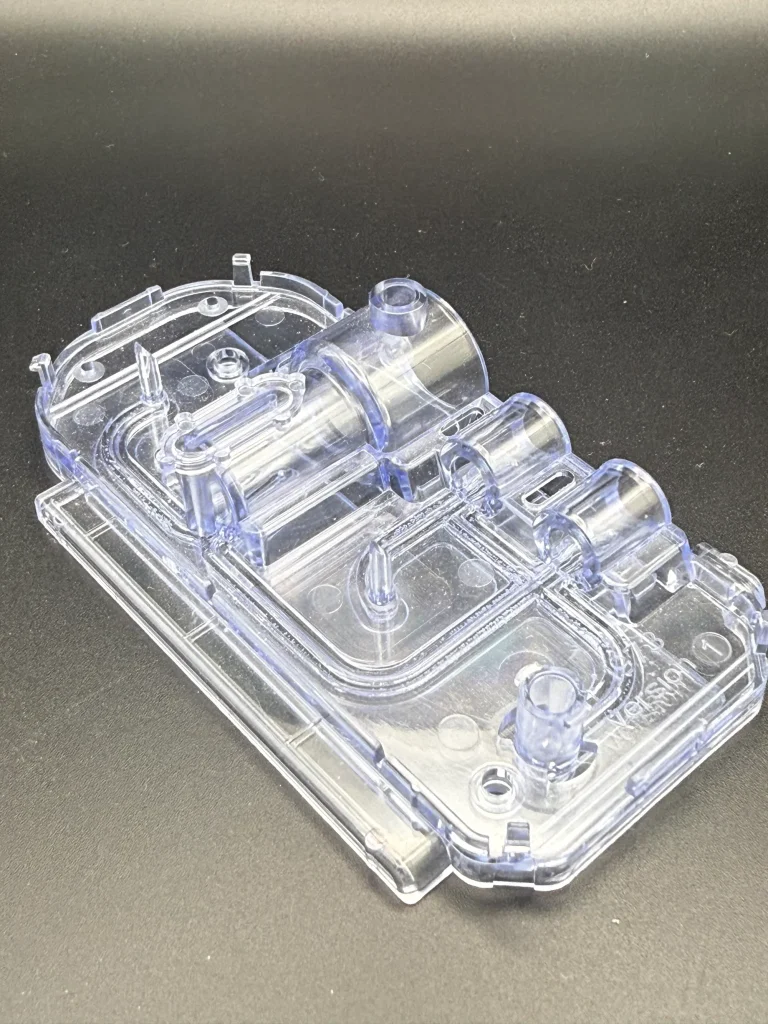
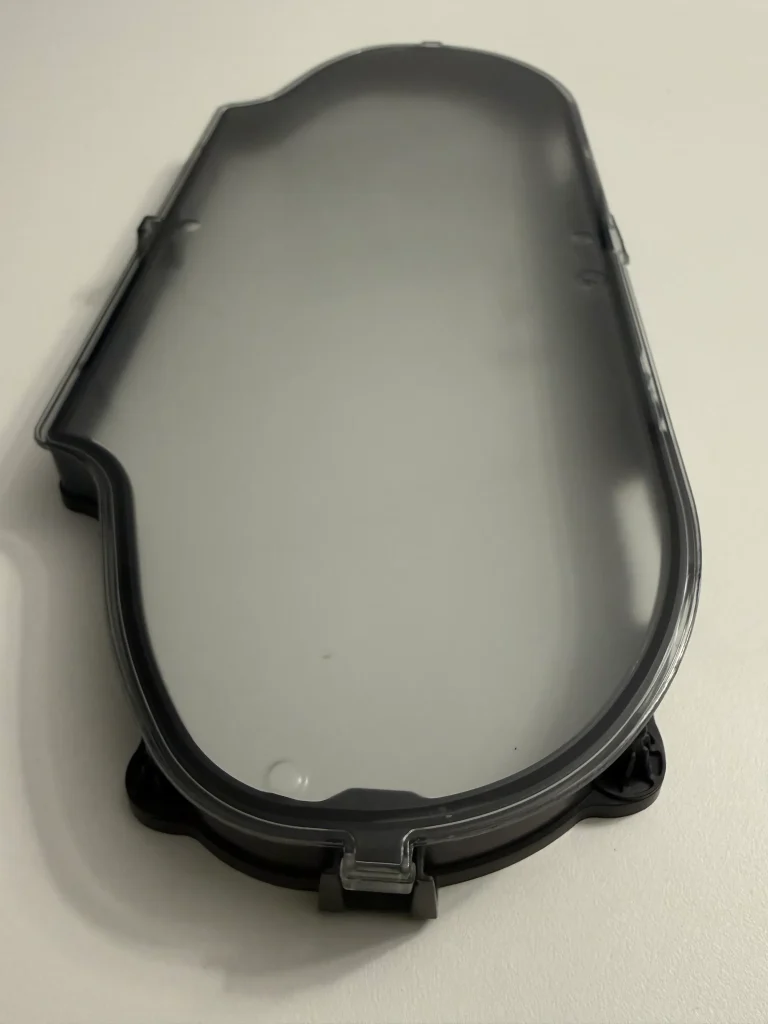
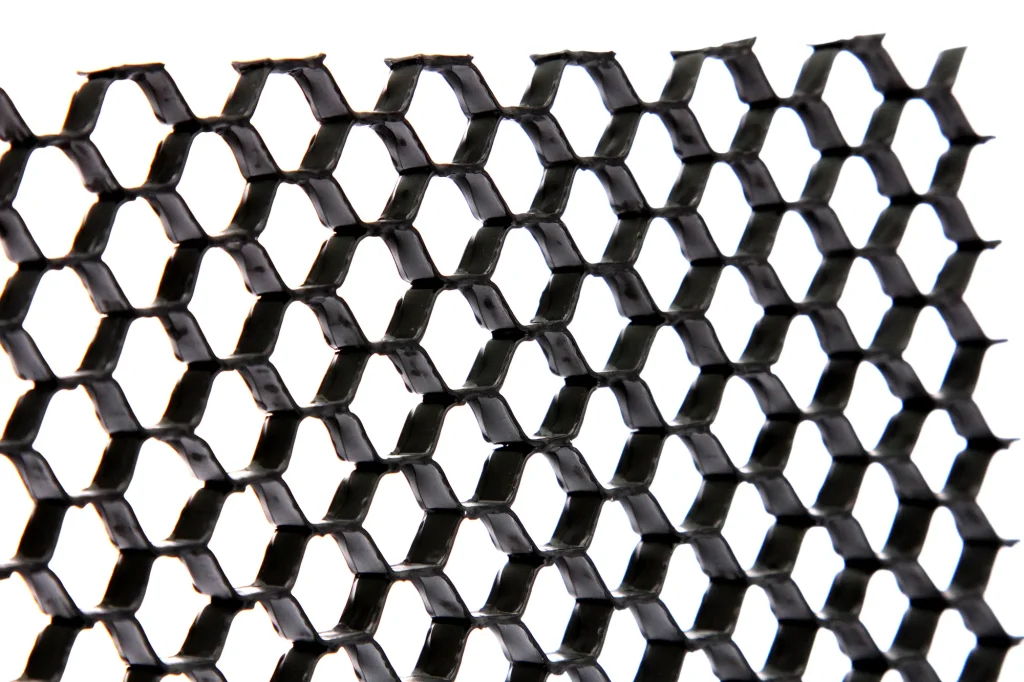
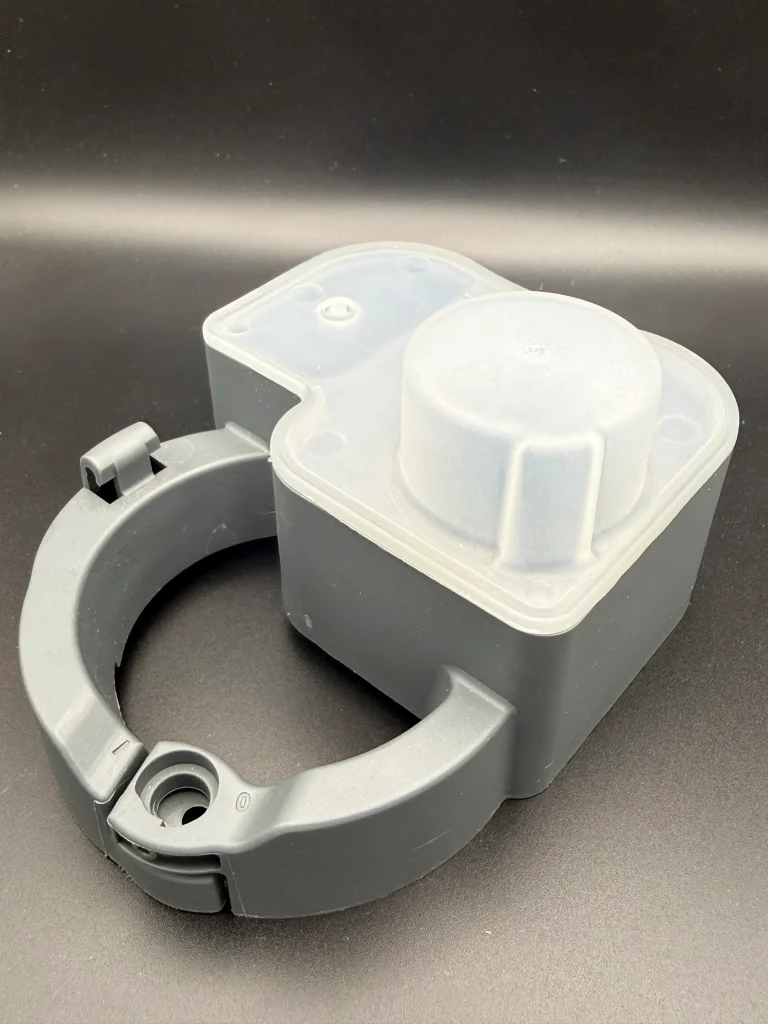
Our achievements in polymer laser welding
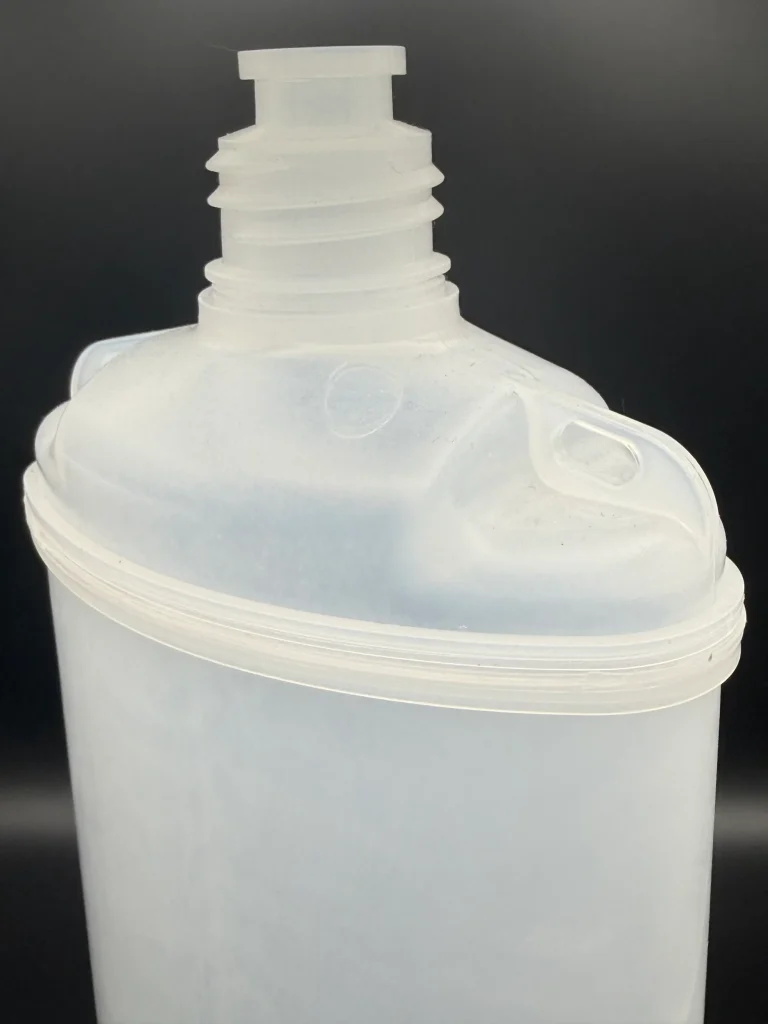
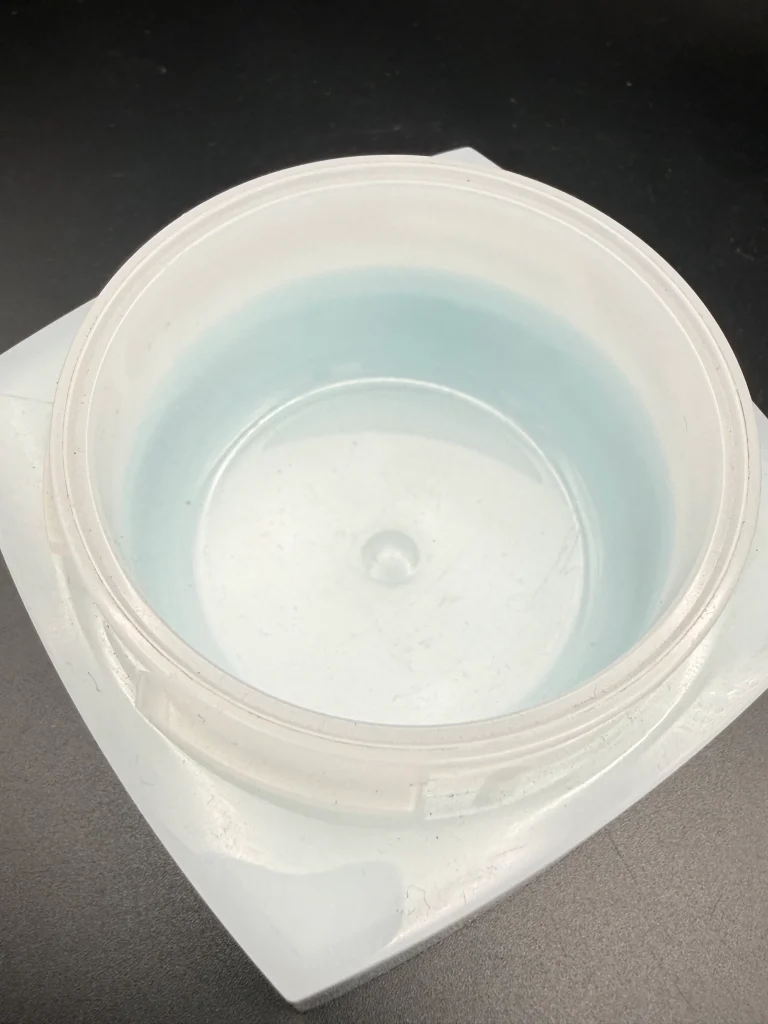
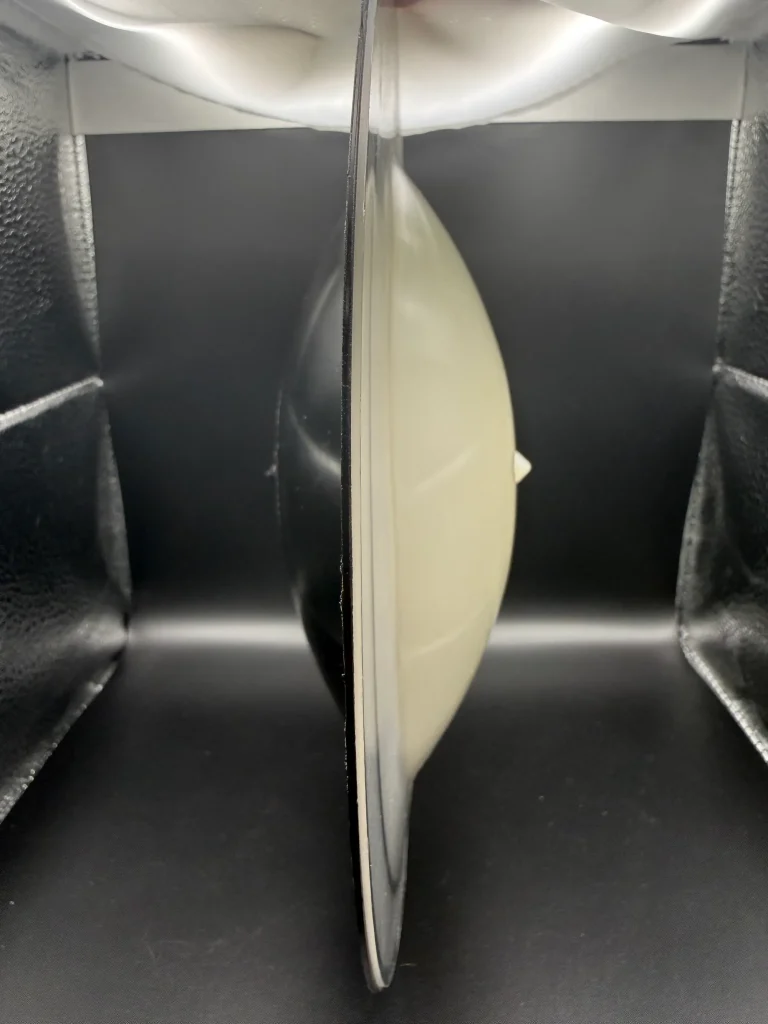
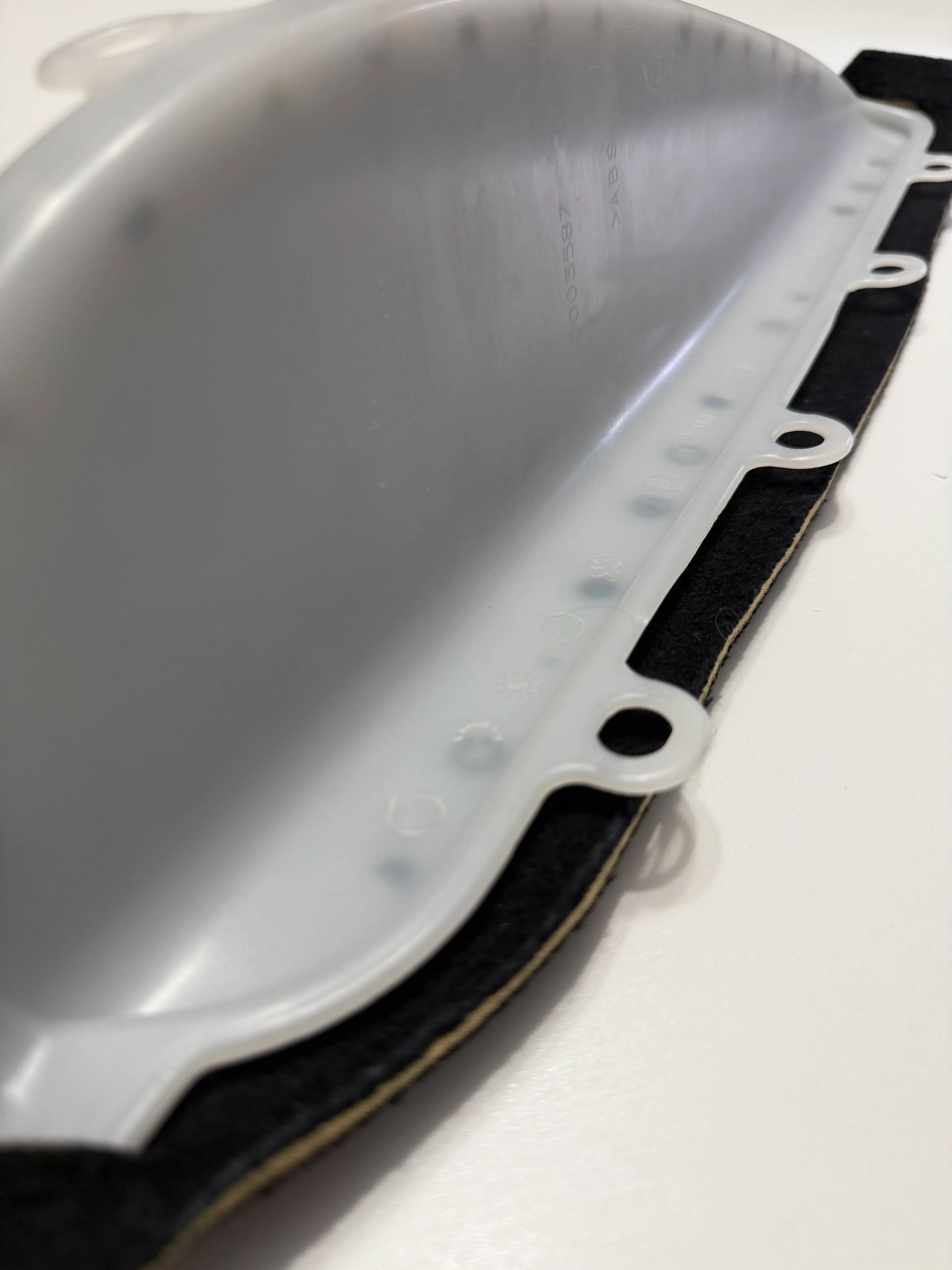
Each welding project illustrates our ability to meet demanding technical constraints and to join polymer components.
Training in polymer laser welding
Practical training course “Welding of Plastics and Polymers”
Laser welding is now an operational joining method for thermoplastics. This fully mastered technology offers numerous possibilities and meets a wide range of needs such as speed, quality, flexibility, precision and appearance quality.
Content:
- Understand the behaviour of thermoplastic materials under the laser beam.
- Prepare the welding operation.
- Master the operating parameters and assess their influence.
- Analyse and correct weld defects.
- Identify the laser sources dedicated to joining thermoplastics.
Benefit: autonomous teams, controlled processes, guaranteed quality and safety.